MIRV, which stands for Multiple Independently Targetable Reentry Vehicle, is a revolutionary technology used in ballistic missiles, particularly intercontinental ballistic missiles (ICBMs). A MIRV essentially equips a single missile with multiple nuclear warheads, each capable of striking a different target.
MIRV Technology
MIRV Technology: A Historical Game Changer
MIRV, which stands for Multiple Independently Targetable Reentry Vehicle, is a revolutionary technology used in ballistic missiles, particularly intercontinental ballistic missiles (ICBMs). A MIRV essentially equips a single missile with multiple nuclear warheads, each capable of striking a different target.
How Does MIRV Work?
A MIRV-equipped missile carries multiple warheads within a single housing or “bus” in its nose cone. After launch and reaching a designated point in its trajectory, the missile releases the warheads one by one. Each warhead follows a separate course towards its programmed target, thanks to an onboard guidance system.
Why is MIRV Significant?
MIRV technology is considered a significant development in the nuclear arms race as it complicated missile defense systems. The presence of MIRVs makes it much harder to intercept all incoming warheads from a single missile launch.
Countries With MIRV Technology
Countries known to possess MIRV technology include the United States, Russia, China, France, and the United Kingdom. Now India had breaked into this league with its Agni long range missiles.
What Is the Big Bang Theory? Simple Explanation for Everyone
Discover how the universe began and what the Big Bang Theory really means in everyday language.
🌌 The Birth of the Universe
The Big Bang Theory explains how the universe began from a very small, hot, and dense point about 13.8 billion years ago. It wasn’t an explosion but an expansion of space itself, and everything in the universe today came from that moment.
🔥 What Happened After the Big Bang?
The universe was extremely hot and filled with energy.
Basic particles like protons and neutrons formed.
As it cooled, atoms like hydrogen and helium began to appear.
Click here to read https://gyangranth.co.in/2025/05/23/brahmanda-to-big-bang-how-hindu-texts-echo-modern-science/
💡 When Did Light Begin?
Around 380,000 years after the Big Bang, the universe cooled enough for light to travel freely. This light, known as the Cosmic Microwave Background (CMB), is still detectable today and serves as a “snapshot” of the early universe.
🌠 How Stars and Galaxies Formed
Over millions of years, gravity pulled atoms together to form stars and galaxies. Inside stars, heavier elements formed, which eventually created planets — including our own Earth.
🔍 Key Evidence Supporting the Big Bang Theory
Expanding Universe: Distant galaxies are moving away from us.
Cosmic Microwave Background: Light from the early universe still exists.
Element Abundance: The amounts of hydrogen and helium match predictions.
🧠 Final Thoughts
The Big Bang Theory helps us understand where everything came from and how the universe has changed over billions of years. It’s not just history — the universe is still expanding, and we’re part of that incredible story.
❓ FAQs
Was there anything before the Big Bang?
Scientists don’t have a clear answer. Some believe time started with the Big Bang; others explore ideas like multiverses or quantum beginnings.
Is the Big Bang Theory proven?
It’s the most widely supported explanation based on evidence, but science always leaves room for new discoveries and better understanding.
The Big Bang Theory is the leading explanation of how our universe began. But did ancient Indian texts — written thousands of years ago — already hint at this cosmic origin? Surprisingly, many scriptures like the Rigveda, Upanishads, and Puranas contain strikingly similar descriptions of how the universe came into being.
Did ancient Indian sages intuit the secrets of the universe long before modern science? Long before the Big Bang theory emerged in astrophysics, Indian scriptures like the Rigveda and Puranas spoke of cosmic eggs, endless cycles of creation, and the mysterious origins of existence. In this article, we explore the fascinating philosophical parallels between ancient Hindu cosmology and contemporary scientific thought — revealing a profound connection between ancient wisdom and the universe’s ultimate beginning.
The Vishnu Purana and other ancient texts mention a golden egg, or Brahmanda, from which the universe was born. This cosmic egg expanded — much like the universe did after the Big Bang.
3. Hinduism’s Cyclic Universe vs. Linear Time
Unlike modern science’s one-time explosion theory, Hindu texts speak of eternal cycles of creation and destruction:
Srishti (Creation)
Sthiti (Preservation)
Pralaya (Dissolution)
This cyclical view aligns with modern ideas like the Oscillating Universe and Multiverse theories.
4. Time Scales that Match Modern Astronomy
Hindu scriptures describe cosmic timescales in billions of years — Kalpas and Yugas — astonishingly close to modern cosmology’s age of the universe (~13.8 billion years).
In Samkhya, the universe is born when Prakriti (primordial matter) is disturbed by Purusha (pure consciousness). This can be symbolically linked to quantum fluctuations that triggered cosmic inflation.
Conclusion: Wisdom Beyond Time
While the ancient Indian texts do not describe the Big Bang in scientific terms, their poetic and philosophical insights show a deep understanding of the cosmos — perhaps more advanced than we once believed. The parallels between ancient Indian cosmology and modern science continue to inspire scholars and seekers alike.
Big Bang in Hinduism, Cosmic Egg theory, Brahmanda, Nasadiya Sukta, Hindu cosmology, Vedas and science, Vishnu Purana, Ancient Indian astronomy, Kalpa time scale, Pralaya, Hindu view on universe creation
World Turtle Day is observed annually on May 23rd to raise awareness about turtles and tortoises and encourage actions to help them survive and thrive in their natural habitats.
History of World Turtle Day
Established in 2000 by the American Tortoise Rescue, World Turtle Day aims to celebrate these reptiles and promote their conservation worldwide.
Why Turtles Matter
Turtles play a crucial role in maintaining the health of aquatic ecosystems. As both predators and prey, they help balance food webs and contribute to the biodiversity of their habitats.
Threats Facing Turtles
Habitat Destruction: Urban development and deforestation reduce nesting and feeding areas.
Pollution: Plastic waste and oil spills contaminate their environments.
Climate Change: Alters sex ratios in hatchlings and affects migration patterns.
Illegal Trade: Poaching for shells, meat, and the pet trade endangers populations.
How You Can Help
Reduce Plastic Use: Opt for reusable bags, bottles, and straws to minimize ocean pollution.
Support Conservation Efforts: Donate to or volunteer with organizations dedicated to turtle protection.
Educate Others: Share information about turtle conservation on social media and in your community.
Participate in Beach Cleanups: Removing trash from shorelines prevents ingestion and entanglement.
Celebrate World Turtle Day by taking action to protect these incredible creatures. Every effort counts in ensuring their survival for generations to come.
Every year on May 21, India observes National Anti-Terrorism Day to honor the memory of former Prime Minister Rajiv Gandhi, who was assassinated on this day in 1991. The day also serves as a reminder of the devastating impact of terrorism on human life and the importance of standing united against violence.
📜 History of National Anti-Terrorism Day: Why May 21
National Anti-Terrorism Day was established in 1992 by the Indian government after the brutal assassination of Rajiv Gandhi by a suicide bomber from the LTTE (Liberation Tigers of Tamil Eelam) during an election campaign in Sriperumbudur, Tamil Nadu.
This observance is not only about commemorating a tragic moment in Indian history but also about reaffirming our commitment to peace, unity, and non-violence.
One of the key parts of this day is reciting the national pledge, which includes:
“We, the people of India, having abiding faith in our country’s tradition of non-violence and tolerance, hereby solemnly affirm to oppose with our strength, all forms of terrorism and violence…”
🛑 Why National Anti-Terrorism Day Matters Today
Pahalgam:Beauty destroyed by terror attack
In the modern era, terrorism remains a global issue. Events like the 26/11 Mumbai attacks, Pulwama, the recent Pahalgam incident leading to war between India and Pakistan and global terror threats highlight the need for consistent vigilance and a united stand against hate-driven violence.
This day encourages every citizen, especially students and youth, to become aware, alert, and active in maintaining peace and security.
📝 Final Thoughts
National Anti-Terrorism Day is more than just a remembrance of the past—it’s a call to action for a peaceful future. As responsible citizens, it’s our duty to spread awareness, promote unity, and stand firmly against terrorism in all its forms.
Singapore COVID-19 Surge: What India Should Know About JN.1 and New Variants
May 20, 2025: Singapore is witnessing a significant surge in COVID-19 cases, primarily driven by the JN.1 variant and its rapidly evolving sub-lineages, LF.7 and NB.1.8. While India has so far reported only mild cases, public health authorities remain vigilant amid rising infections in Southeast Asia.
📈 COVID-19 Spike in Singapore
According to the Singapore Ministry of Health, COVID-19 cases rose from around 11,100 in the last week of April to approximately 14,200 in the first week of May 2025 — a 28% increase. Hospitalizations also rose by 30%, signaling a wider community transmission.
The LF.7 and NB.1.8 sub-variants, derived from the JN.1 lineage (itself a descendant of the Omicron family), are currently dominant. While no evidence suggests these are deadlier, they are more transmissible.
🇮🇳 India’s Current COVID-19 Situation
India has reported 164 new COVID-19 cases over the past week, with total active cases standing at 257, according to The Economic Times.
Most of these cases are mild and require no hospitalization. States like Kerala, Maharashtra, and Tamil Nadu are among those reporting cases, prompting a national review by the Ministry of Health and Family Welfare.
🧬 What is the JN.1 Variant?
Origin: Descendant of Omicron BA.2.86.
Traits: High transmissibility, potential immune evasion.
Symptoms: Fever, cough, sore throat, fatigue, headache, and loss of taste/smell.
Status: Classified as a “variant of interest” by the WHO.
🛡️ What Can You Do to Stay Safe?
Even though the situation is under control in India, the public is advised to remain cautious:
Vaccinate: Stay up to date with COVID-19 boosters. The GEMCOVAC-19 mRNA vaccine, targeting Omicron strains, is available in India.
Mask Up: Wear masks in crowded or indoor spaces.
Practice Hygiene: Wash hands regularly and cover your mouth when coughing or sneezing.
Monitor Symptoms: Stay alert for early signs and isolate if needed.
🌏 Global Context
Singapore isn’t alone. Hong Kong, China, and Thailand have also reported rising cases. This points toward a regional uptick in JN.1-related infections. International health bodies are keeping a close watch on mutation trends.
On the evening of May 21, 1991, India lost one of its most promising leaders — former Prime Minister Rajiv Gandhi — in a brutal suicide bombing in Sriperumbudur, Tamil Nadu. This assassination shocked the entire nation and altered the course of Indian political history.
👤 Who Was Rajiv Gandhi?
Rajiv Gandhi was born on August 20, 1944, into India’s most powerful political family. He became India’s youngest Prime Minister at age 40, after the assassination of his mother, Indira Gandhi, in 1984.
Rajiv Gandhi with his wife Sonia Gandhi
His tenure was marked by:
Major advances in telecommunications
Efforts toward modernization and liberalization
Initiatives for youth empowerment and education reform
However, his leadership was also marred by controversy, including the Bofors scandal and challenges in foreign policy.
💣 How Was Rajiv Gandhi Assassinated?
During an election campaign in Sriperumbudur, Rajiv Gandhi was greeting supporters when a woman named Dhanu, a member of the Liberation Tigers of Tamil Eelam (LTTE), approached him. She bent to touch his feet and detonated an explosive belt tied around her waist.
The impact:
Rajiv Gandhi and 14 others were killed instantly
Many others were injured in the blast
This was India’s first political suicide bombing
⚖️ Who Was Behind the Assassination?
Investigations by the CBI and SIT concluded that the LTTE, a Sri Lankan Tamil militant group, carried out the assassination. The LTTE was angry with Rajiv Gandhi for sending the Indian Peace Keeping Force (IPKF) to Sri Lanka during his tenure.
In 1998, 26 people were convicted in connection with the case. However, legal battles over the years led to:
Several sentences being commuted
Ongoing debates over the release of convicts
🕍 Rajiv Gandhi Memorial in Sriperumbudur
The Rajiv Gandhi Memorial, located at the site of the assassination, was built to honor his memory. The memorial features:
A lotus-shaped platform
Seven pillars representing India’s major religions
A peaceful garden attracting thousands of visitors annually
🕯️ Legacy of Rajiv Gandhi and His Assassination
Rajiv Gandhi’s assassination was a turning point in India’s fight against terrorism and political violence. It led to stronger security protocols for political leaders and greater public awareness about the risks of extremism.
The assassination of Rajiv Gandhi remains one of the darkest chapters in India’s modern political history. It reminds us of the cost of violence, the importance of democratic values, and the ever-present need for national unity.
🔖 FAQs
Q1: Who killed Rajiv Gandhi? A: The suicide bomber was Dhanu, affiliated with the LTTE, a Sri Lankan Tamil militant organization.
Q2: Where was Rajiv Gandhi assassinated? A: In Sriperumbudur, near Chennai, Tamil Nadu.
Q3: Why did LTTE kill Rajiv Gandhi? A: In retaliation for his support of the Sri Lankan government through the Indian Peace Keeping Force (IPKF) mission.
Each year, on May 22, the world observes the International Day for Biological Diversity to raise awareness about the vital role biodiversity plays in sustaining life on Earth. Established by the United Nations, this day marks the adoption of the Convention on Biological Diversity (CBD) in 1992 at the Earth Summit in Rio de Janeiro.
What is Biodiversity and Why Does It Matter?
Biodiversity refers to the variety of life on Earth — from the smallest microbes to the largest mammals, from forest ecosystems to coral reefs. It includes:
Genetic diversity
Species diversity
Ecosystem diversity
Biodiversity supports ecosystem services such as:
Food and water security
Air purification
Climate regulation
Disease control
Pollination of crops
In short, our survival and well-being depend on a healthy and functioning natural world.
Theme for 2025: “Harmony with Nature and Sustainable Development”
This year’s theme emphasizes the importance of aligning biodiversity conservation with the UN Sustainable Development Goals (SDGs). It reflects the spirit of the Kunming-Montreal Global Biodiversity Framework, which encourages global cooperation to halt biodiversity loss and promote sustainable living.
The message is simple: we cannot achieve a sustainable future without protecting the rich diversity of life on our planet.
Interesting and lesser-known facts about the International Day for Biological Diversity (IDB)
🌎 1. It Wasn’t Always on May 22
Initially celebrated on December 29, the date was later changed in 2000 to May 22 to commemorate the adoption of the Convention on Biological Diversity (CBD) in 1992 at the Earth Summit in Rio.
🌍 2. It Marks a Historic Milestone
The date, May 22, commemorates the adoption of the Convention on Biological Diversity (CBD) at the Earth Summit in Rio de Janeiro in 1992.
🔁 3. Each Year Has a Different Theme which calls for action
For example:
2023: “From Agreement to Action: Build Back Biodiversity”
2022: “Building a Shared Future for All Life”
Themes help focus on urgent biodiversity-related goals. These encourage both governments and individuals to actively participate in conservation.
🧬 4. The World Is Losing Species at an Alarming Rate
According to the UN, species are going extinct at 100 to 1,000 times the natural rate due to human activities.
🍽️ 5. Biodiversity is Essential to Human Food
Over 80% of the human diet is based on plants.
Yet, just three crops—rice, maize, and wheat—account for 60% of our energy intake.
🧠 6. Nature Holds Untapped Cures
More than 50% of pharmaceutical compounds are derived from natural sources. Protecting biodiversity protects potential future medicines.
🏞️ 7. Only 15% of Land and 8% of Oceans Are Protected
Despite global commitments, much of the planet’s biodiversity is outside protected areas, making it vulnerable to destruction.
👥 8. Indigenous People Protect Much of the World’s Biodiversity
Indigenous territories cover just 22% of land but contain 80% of the world’s biodiversity.
🤝 9. It’s a Global Effort
Over 190 countries are parties to the Convention on Biological Diversity, making it one of the most widely supported global environmental treaties.
🦋 10. Biodiversity Loss Affects Health
Healthy ecosystems help regulate disease, purify water, and maintain climate stability. Loss of biodiversity can increase the risk of pandemics.
Significance: Why the need to give importance to Biodiversity
Despite its importance, biodiversity is under serious threat due to:
Habitat destruction
Pollution and plastic waste
Climate change
Deforestation
Overexploitation of natural resources
Over 1 million species are at risk of extinction within decades if current trends continue, according to the IPBES Global Assessment.
How You Can Help
Every step, no matter big or small, is helpful for preserving nature. Its not the nature that needs us but we need it more.
🧒 Youth and Indigenous Communities Play a Key Role
Many International Biodiversity Day programs highlight the roles of youth, indigenous knowledge, and local communities in conservation efforts.
📢 Social Media Celebrations Are Huge
Every year, hashtags like #BiodiversityDay, #ForNature, and #BuildBackBiodiversity trend globally with videos, quizzes, and educational content shared by organizations and individuals.
Whether you’re an individual, a student, a business owner, or a policymaker — everyone has a role to play. Here’s how you can contribute:
✅ Educate Yourself and Others Share knowledge about biodiversity in your community, schools, and social media.
✅ Adopt Sustainable Habits Use eco-friendly products, reduce plastic, save water, and consume responsibly.
✅ Support Local and Global Conservation Donate to wildlife organizations or volunteer for tree plantation drives and clean-up activities.
✅ Raise Your Voice Advocate for strong environmental policies at local and national levels.
The International Day for Biological Diversity 2025 is more than just a date on the calendar. It’s a global call to action — a reminder that we are part of nature, not separate from it. Protecting biodiversity isn’t just an environmental issue; it’s a human survival issue.
Let’s work together to build a future where both people and the planet thrive in harmony. 🌱🌎
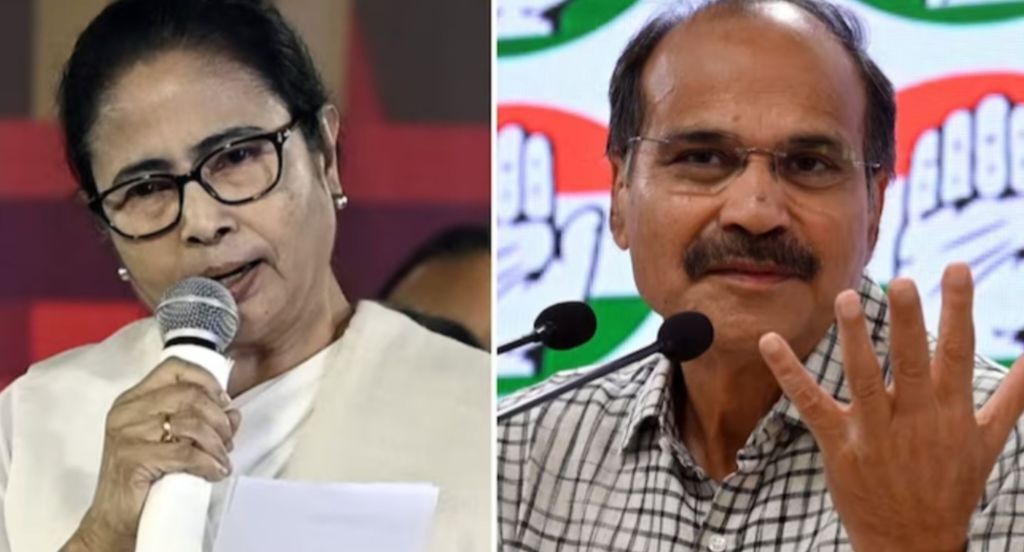
Congress leaders even accused Mamata of helping BJP by fielding strong muslim candidates in Congress strong hold areas of West bengal.
Adhir Ranjan Chowdhury, the leader of the West Bengal Congress, voiced his displeasure with the Mamata Banerjee-led party’s action, claiming that TMC ought to have sent Yusuf Pathan to the Rajya Sabha rather than fielding an “outsiders” in the Lok Sabha elections.
Former Indian cricket player Yusuf Pathan has been fielded by the TMC to contest the Berhampore Lok Sabha constituency, which Adhir Ranjan Chowdhury, a Congressman, holds.
Considering that Chowdhury was elected as an MP for the seat five times, he is expected to run again in the Lok Sabha, even though the Congress has not yet announced its West Bengal candidates.
The Mamata Banerjee-led party’s action incensed Chowdhury, who said that TMC ought to have sent Yusuf Pathan to the Rajya Sabha rather than fielding “outsiders” in the Lok Sabha polls. The Congress spokesperson stated, “If TMC wanted to honour Yusuf Pathan, they should have sent him to the Rajya Sabha instead of sending ‘outsiders.’” Mamata Banerjee should have requested that he be fielded from Gujarat, his home state, by the INDIA coalition.
In an effort to “polarize the common man and to help the BJP, so that Congress can be defeated” in the Lok Sabha elections, Chowdhury intensified his criticism of Mamata Banerjee, charging that she brought in former cricket player Yusuf Pathan.He declared, “Mamata Banerjee has demonstrated today that none of the Indian political parties should trust a leader like her.”
“Mamata Banerjee fears that PM Modi will be dissatisfied if she stays in the INDIA alliance. She has communicated to the PMO, “Don’t be upset with me; I’m not going to stand up to fight against the BJP,” by leaving the INDIA coalition, Chowdhury continued.