
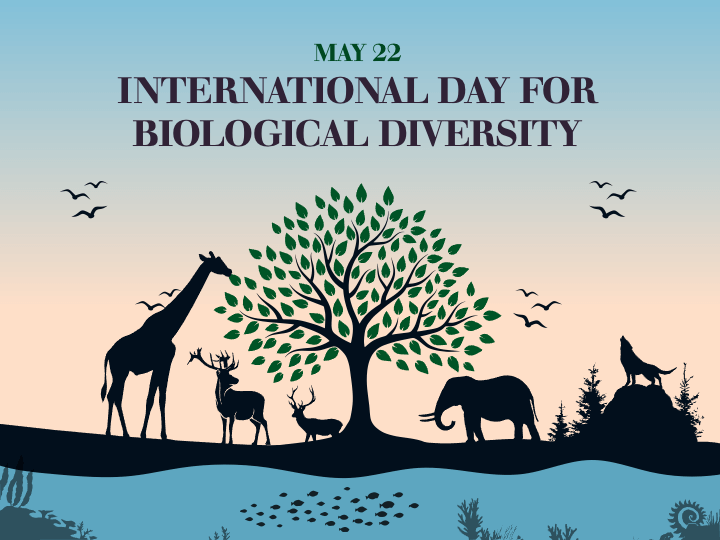
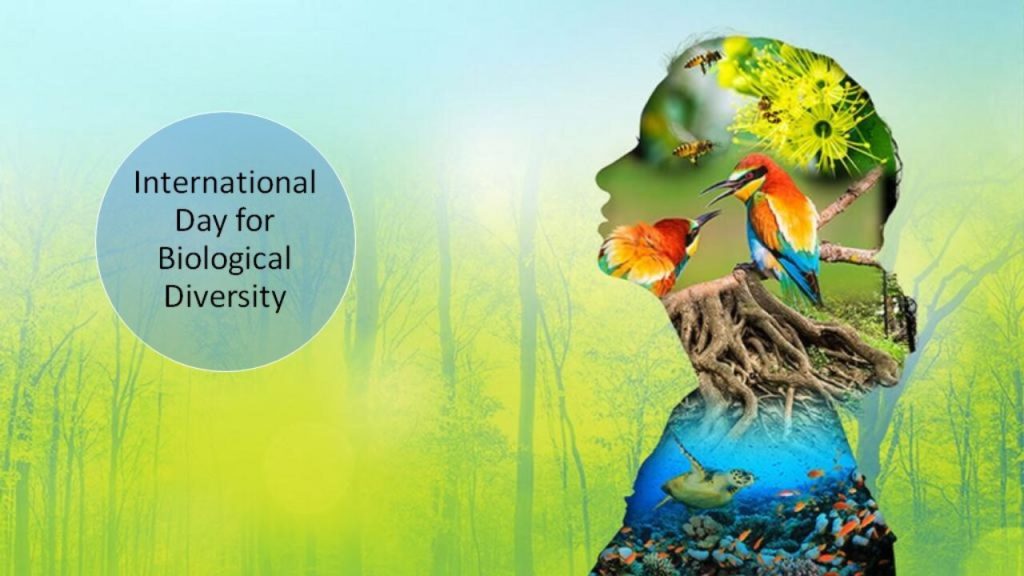
Each year, on May 22, the world observes the International Day for Biological Diversity to raise awareness about the vital role biodiversity plays in sustaining life on Earth. Established by the United Nations, this day marks the adoption of the Convention on Biological Diversity (CBD) in 1992 at the Earth Summit in Rio de Janeiro.
What is Biodiversity and Why Does It Matter?
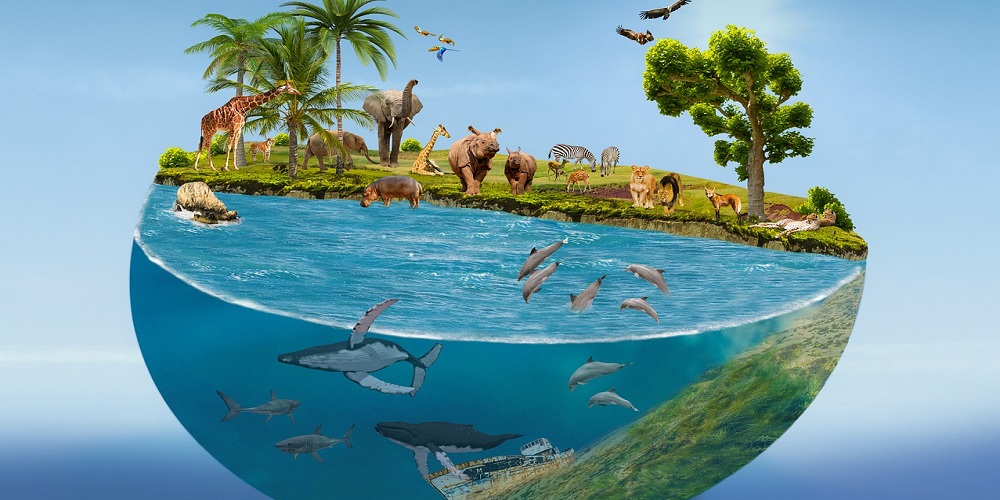
Biodiversity refers to the variety of life on Earth — from the smallest microbes to the largest mammals, from forest ecosystems to coral reefs. It includes:
- Genetic diversity
- Species diversity
- Ecosystem diversity
Biodiversity supports ecosystem services such as:
- Food and water security
- Air purification
- Climate regulation
- Disease control
- Pollination of crops
In short, our survival and well-being depend on a healthy and functioning natural world.
Theme for 2025: “Harmony with Nature and Sustainable Development”
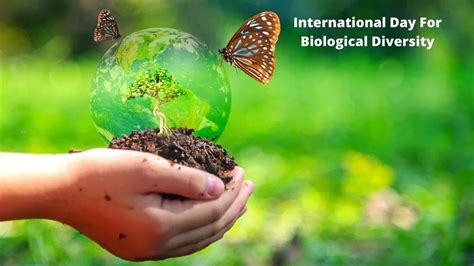
This year’s theme emphasizes the importance of aligning biodiversity conservation with the UN Sustainable Development Goals (SDGs). It reflects the spirit of the Kunming-Montreal Global Biodiversity Framework, which encourages global cooperation to halt biodiversity loss and promote sustainable living.
The message is simple: we cannot achieve a sustainable future without protecting the rich diversity of life on our planet.
Interesting and lesser-known facts about the International Day for Biological Diversity (IDB)
🌎 1. It Wasn’t Always on May 22
Initially celebrated on December 29, the date was later changed in 2000 to May 22 to commemorate the adoption of the Convention on Biological Diversity (CBD) in 1992 at the Earth Summit in Rio.
🌍 2. It Marks a Historic Milestone
The date, May 22, commemorates the adoption of the Convention on Biological Diversity (CBD) at the Earth Summit in Rio de Janeiro in 1992.
🔁 3. Each Year Has a Different Theme which calls for action
For example:
2023: “From Agreement to Action: Build Back Biodiversity”
2022: “Building a Shared Future for All Life”
Themes help focus on urgent biodiversity-related goals. These encourage both governments and individuals to actively participate in conservation.
🧬 4. The World Is Losing Species at an Alarming Rate
According to the UN, species are going extinct at 100 to 1,000 times the natural rate due to human activities.
🍽️ 5. Biodiversity is Essential to Human Food
Over 80% of the human diet is based on plants.
Yet, just three crops—rice, maize, and wheat—account for 60% of our energy intake.
🧠 6. Nature Holds Untapped Cures
More than 50% of pharmaceutical compounds are derived from natural sources. Protecting biodiversity protects potential future medicines.
🏞️ 7. Only 15% of Land and 8% of Oceans Are Protected
Despite global commitments, much of the planet’s biodiversity is outside protected areas, making it vulnerable to destruction.
👥 8. Indigenous People Protect Much of the World’s Biodiversity
Indigenous territories cover just 22% of land but contain 80% of the world’s biodiversity.
🤝 9. It’s a Global Effort
Over 190 countries are parties to the Convention on Biological Diversity, making it one of the most widely supported global environmental treaties.
🦋 10. Biodiversity Loss Affects Health
Healthy ecosystems help regulate disease, purify water, and maintain climate stability. Loss of biodiversity can increase the risk of pandemics.
Significance: Why the need to give importance to Biodiversity
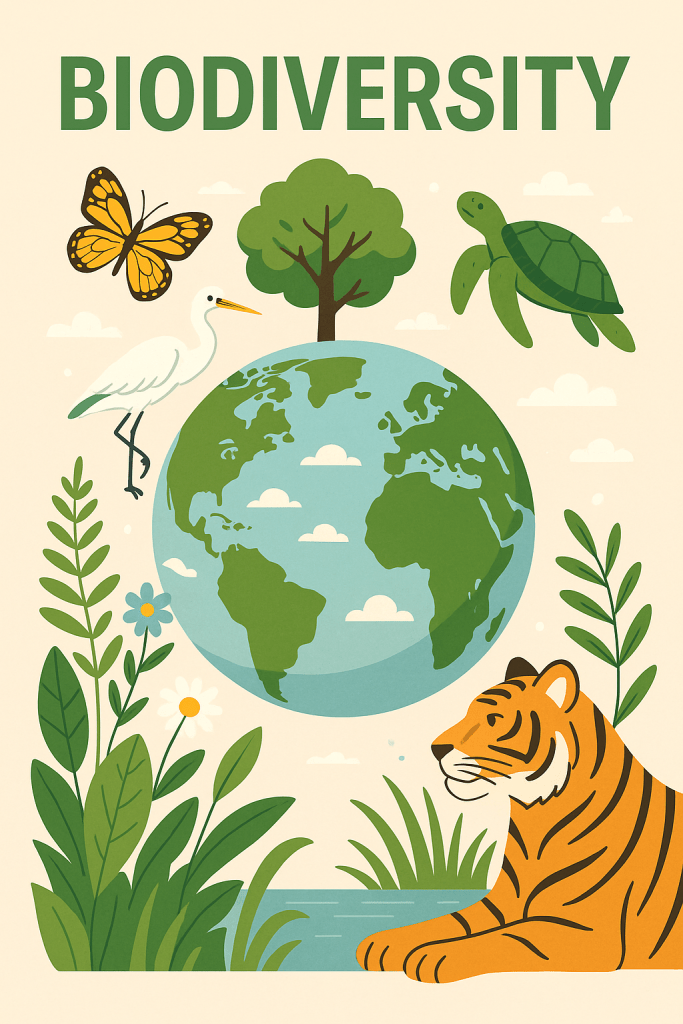
Despite its importance, biodiversity is under serious threat due to:
- Habitat destruction
- Pollution and plastic waste
- Climate change
- Deforestation
- Overexploitation of natural resources
Over 1 million species are at risk of extinction within decades if current trends continue, according to the IPBES Global Assessment.
How You Can Help
Every step, no matter big or small, is helpful for preserving nature. Its not the nature that needs us but we need it more.
🧒 Youth and Indigenous Communities Play a Key Role
Many International Biodiversity Day programs highlight the roles of youth, indigenous knowledge, and local communities in conservation efforts.
📢 Social Media Celebrations Are Huge
Every year, hashtags like #BiodiversityDay, #ForNature, and #BuildBackBiodiversity trend globally with videos, quizzes, and educational content shared by organizations and individuals.
Whether you’re an individual, a student, a business owner, or a policymaker — everyone has a role to play. Here’s how you can contribute:
✅ Educate Yourself and Others
Share knowledge about biodiversity in your community, schools, and social media.
✅ Adopt Sustainable Habits
Use eco-friendly products, reduce plastic, save water, and consume responsibly.
✅ Support Local and Global Conservation
Donate to wildlife organizations or volunteer for tree plantation drives and clean-up activities.
✅ Raise Your Voice
Advocate for strong environmental policies at local and national levels.
If you ever think that one person is not enough read about #biodiversityhero herehttps://gyangranth.co.in/2023/04/29/the-real-elephant-whisperer-a-beautiful-relationship-between-a-man-and-elephants/
Final Thoughts
The International Day for Biological Diversity 2025 is more than just a date on the calendar. It’s a global call to action — a reminder that we are part of nature, not separate from it. Protecting biodiversity isn’t just an environmental issue; it’s a human survival issue.
Let’s work together to build a future where both people and the planet thrive in harmony. 🌱🌎
 Gyan granth