Category: Devotion & Mythology

This contains articles regarding our faith, our festivals and our mythology.

  • Celebrating the Fusion of Divinity: A Look at Datta Jayanti

    Celebrating the Fusion of Divinity: A Look at Datta Jayanti Dt.26/12/2023

    Introduction:

    Datta Jayanti, also known as Gurudev Dattatreya Jayanti, is a joyous occasion celebrated by Hindus across India and other parts of the world. It marks the birth anniversary of Lord Dattatreya, a unique deity who embodies the divine essence of the Hindu Trinity – Brahma, Vishnu, and Shiva. This festival falls on the full moon day of the Margashirsha month in the Hindu calendar, which usually corresponds to December or January.
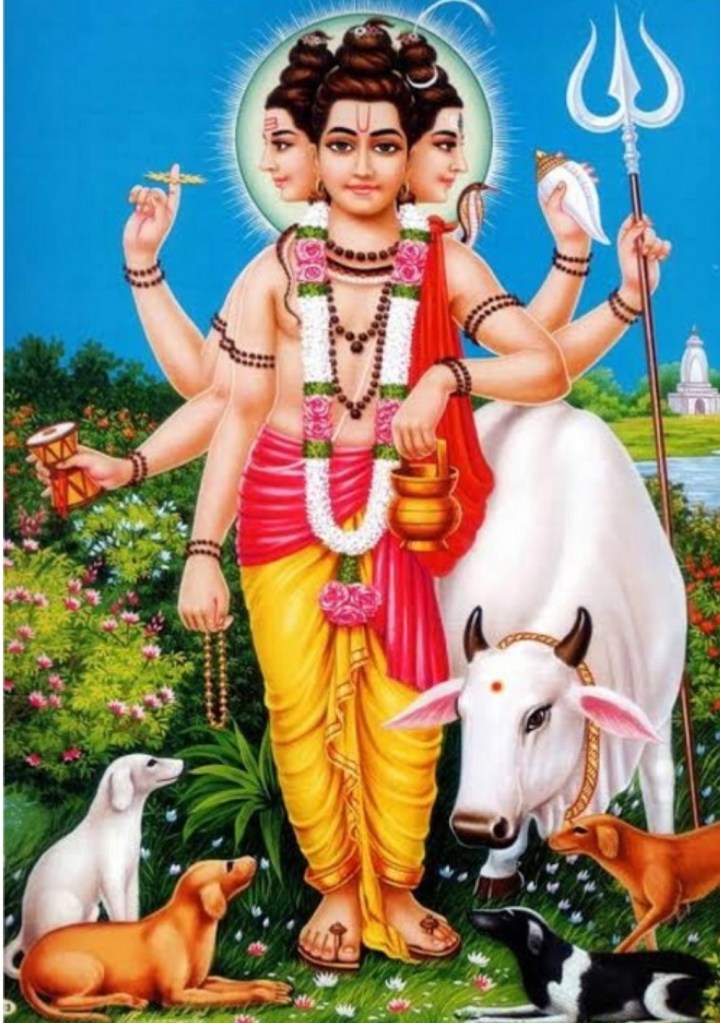
    Dattatteya Guruji

    Lord Dattatreya: The Divine Teacher

    Lord Dattatreya is depicted as a three-headed, four-armed figure, each head representing one of the Trimurti gods. He is often seen holding a book and a kamandalu (water pot), symbolizing his wisdom and compassion. He is revered as a spiritual guide and teacher, offering guidance and enlightenment to those who seek him.

    Significance of Datta Jayanti

    Datta Jayanti is a day of devotion, prayer, and celebration. Devotees gather in temples and homes to offer puja (worship) to Lord Dattatreya. They chant hymns, sing bhajans (devotional songs), and offer flowers, fruits, and incense. The day is also observed as a time for reflection and introspection, as devotees seek to emulate Lord Dattatreya’s teachings of simplicity, selflessness, and living in harmony with nature.

    Celebrations and Traditions

    The festivities of Datta Jayanti vary across different regions of India. In Maharashtra, where Lord Dattatreya holds a special significance, grand processions are held, and devotees throng the holy town of Gangapur, known for its Datta temple. In other parts of the country, people participate in satsangs (spiritual discourses), kirtans (devotional singing), and feasts.

    Beyond Rituals: Embracing the Essence of Datta Jayanti

    Datta Jayanti is more than just a day of rituals and celebrations. It is a reminder of Lord Dattatreya’s timeless teachings, which are as relevant today as they were ever. His message of living a simple life, embracing the natural world, and finding wisdom in everyday experiences is a powerful antidote to the anxieties and complexities of modern life. By celebrating Datta Jayanti, we not only honor this divine being but also commit ourselves to following his path of wisdom and compassion.

    Conclusion:

    Datta Jayanti is a vibrant festival that celebrates the fusion of divinity, wisdom, and nature. It is a time to reconnect with our spiritual core and seek guidance from Lord Dattatreya’s teachings. As we immerse ourselves in the festivities of this auspicious day, let us remember that the true essence of Datta Jayanti lies in embracing the values of simplicity, compassion, and living in harmony with all creation.

    Additional Notes:

    • This article provides a basic overview of Datta Jayanti. For a deeper understanding, you can explore various online resources and books on Lord Dattatreya and his teachings.
    • If you are interested in attending Datta Jayanti celebrations, you can find information about events and gatherings in your local community or online.
    • Remember that Datta Jayanti is a day of joy and celebration, so let your spirit be uplifted as you participate in the festivities and reflect on the wisdom of Lord Dattatreya.

    I hope this article provides a glimpse into the significance and celebrations of Datta Jayanti. May this festival bring you joy, peace, and enlightenment.
    Introduction:

    Datta Jayanti, also known as Gurudev Dattatreya Jayanti, is a joyous occasion celebrated by Hindus across India and other parts of the world. It marks the birth anniversary of Lord Dattatreya, a unique deity who embodies the divine essence of the Hindu Trinity – Brahma, Vishnu, and Shiva. This festival falls on the full moon day of the Margashirsha month in the Hindu calendar, which usually corresponds to December or January.

    Lord Dattatreya: The Divine Teacher

    Lord Dattatreya is depicted as a three-headed, four-armed figure, each head representing one of the Trimurti gods. He is often seen holding a book and a kamandalu (water pot), symbolizing his wisdom and compassion. He is revered as a spiritual guide and teacher, offering guidance and enlightenment to those who seek him.

    Significance of Datta Jayanti

    Datta Jayanti is a day of devotion, prayer, and celebration. Devotees gather in temples and homes to offer puja (worship) to Lord Dattatreya. They chant hymns, sing bhajans (devotional songs), and offer flowers, fruits, and incense. The day is also observed as a time for reflection and introspection, as devotees seek to emulate Lord Dattatreya’s teachings of simplicity, selflessness, and living in harmony with nature.

    Celebrations and Traditions

    The festivities of Datta Jayanti vary across different regions of India. In Maharashtra, where Lord Dattatreya holds a special significance, grand processions are held, and devotees throng the holy town of Gangapur, known for its Datta temple. In other parts of the country, people participate in satsangs (spiritual discourses), kirtans (devotional singing), and feasts.

    Beyond Rituals: Embracing the Essence of Datta Jayanti

    Datta Jayanti is more than just a day of rituals and celebrations. It is a reminder of Lord Dattatreya’s timeless teachings, which are as relevant today as they were ever. His message of living a simple life, embracing the natural world, and finding wisdom in everyday experiences is a powerful antidote to the anxieties and complexities of modern life. By celebrating Datta Jayanti, we not only honor this divine being but also commit ourselves to following his path of wisdom and compassion.

    Conclusion:

    Datta Jayanti is a vibrant festival that celebrates the fusion of divinity, wisdom, and nature. It is a time to reconnect with our spiritual core and seek guidance from Lord Dattatreya’s teachings. As we immerse ourselves in the festivities of this auspicious day, let us remember that the true essence of Datta Jayanti lies in embracing the values of simplicity, compassion, and living in harmony with all creation.

    Additional Notes:

    • This article provides a basic overview of Datta Jayanti. For a deeper understanding, you can explore various online resources and books on Lord Dattatreya and his teachings.
    • If you are interested in attending Datta Jayanti celebrations, you can find information about events and gatherings in your local community or online.
    • Remember that Datta Jayanti is a day of joy and celebration, so let your spirit be uplifted as you participate in the festivities and reflect on the wisdom of Lord Dattatreya.

    I hope this article provides a glimpse into the significance and celebrations of Datta Jayanti. May this festival bring you joy, peace, and enlightenment.
  • Can Mantras actually heal us: Scientific explanation

    With growing interest of many people in Indian Yoga and Meditation you might have heard them talking about the power of Mantras. In fact there are many people who experience inner peace and calmness by reciting or simply listening to some mantras. What exactly is this effect of Mantras. Is it purely a placebo effect or is there any science behind it ? Let’s dig deeper into this.

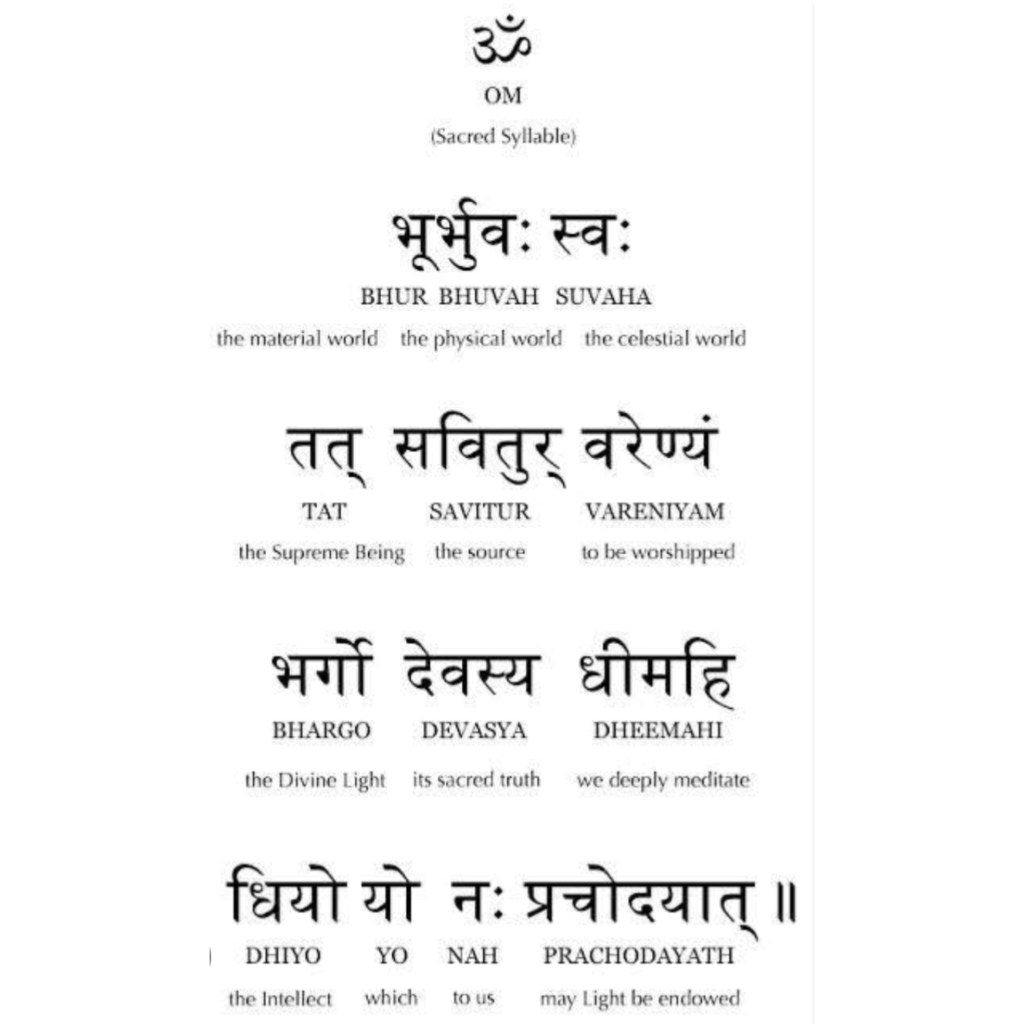
    Gayatri Mantra

    What is a Mantra ?

    Before discussing the power or the effect of Mantra first we need to know what a Mantra is. A Mantra is a word or a prayer, mostly in Sanskrit, that is chanted or sung. It might be as simple as a single word Om (Aum)( ॐ) or a set of rhythmic words and phrases like the Gayatri Mantra. A mantra is repeated multiple times (mostly 108) by people. Most mantras dates back to the Vedic period (1500-500 BCE) or even older.

    How Mantras affect us ?

    Well on the surface it appears that reciting mantras is a religious thing only. But if you go deeper, you will realize their power. But before that we have to understand one very basic fact about human bodies. Firstly, that the heartbeat and breathing are interconnected. The oxygen required by our body is directly proportional to the rate at which our heart beats. For example, when a person exercises, muscles need energy for movement. To provide this energy heart have to beat faster to pump more oxygen. In simple terms, as the heart beats faster, it uses more energy and sends more oxygen to the body.

    Now, excersice is a very positive example. If we observe statistically heartbeat of individuals mostly increases due to wrong and negative reasons. It might be due to stress, age, bad fitness level, illness etc. Prolonged increased heart rate might result in cardiovascular deseases or a heart attack.

    If you notice any mantra, it is rythemic. When we chant the same mantra repeatedly it sets our breathing pattern in a certain manner. When breathing is happening in a set manner it directly affects our heartbeat. A balanced breathing pattern and heartbeat togather give a feeling of relaxasation and calmness.

    Effect of Mantras on the Universe?

    It is often said that if you are going through tough times chanting certain Mantras will help you. Mantras have effect on our bodies and help keep us calm is understandable but Can recitation of mantra bring about a change in our environment? How is this possible? To understand this we need to understand some basic scientific facts.

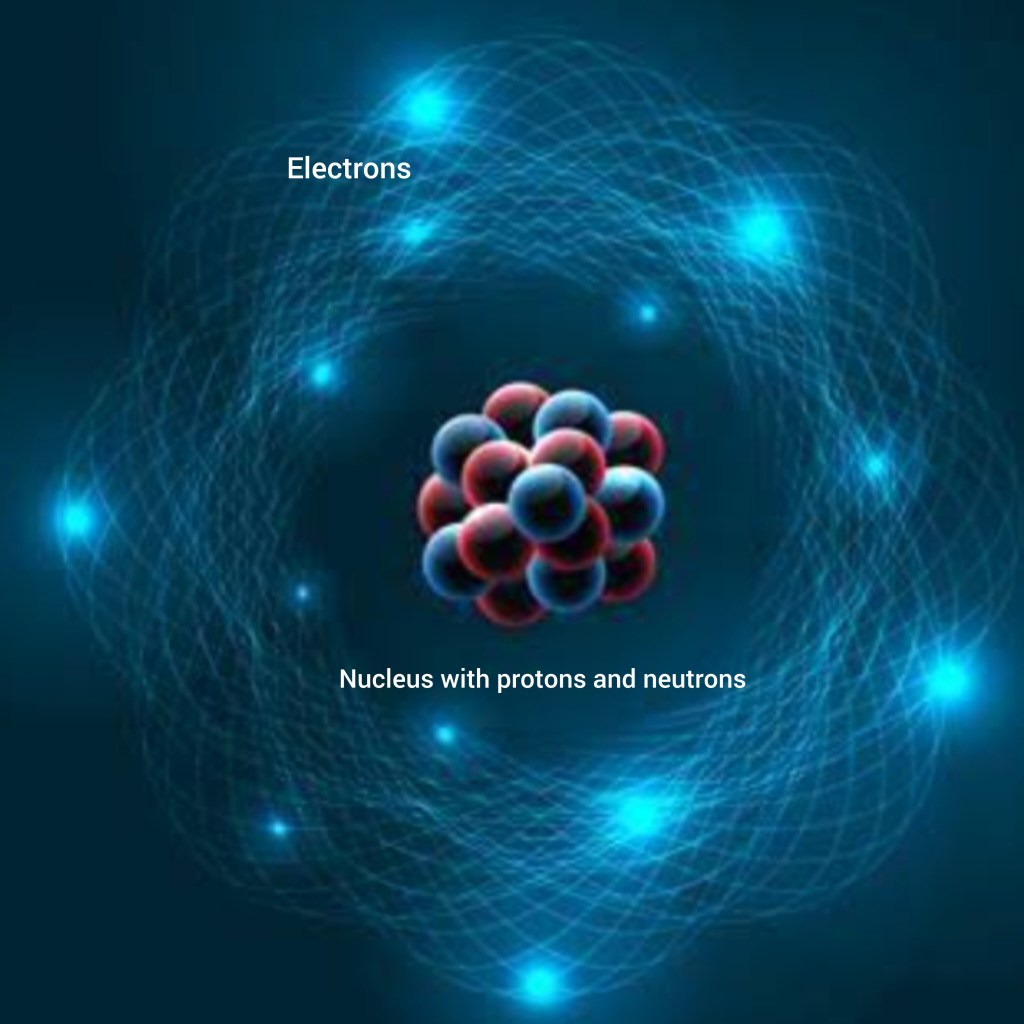
    Model of atom in quantum physics

    The smallest unit of this world is an Atom.Every organic and inorganic matter is made up of atoms. An atom is composed of a nucleus (consisting or nutrons and/or protons) and electron(s) surrounding the nucleus. For a very long time it was beleived that electrons orbit around the nucleus just like planets do around the Sun in a solar system. But the movement of elctrons is not like that. Recently it has been established that electrons actually oscilate or vibrate around the nucleus.

    When we recite Mantras vibration is produced. One vibration have the capability to affect another vibration. So when we recite Mantras we affect everthing around us. So with the right Mantras we can very well change the energy field around us to a positive one and make the Universe work in our favour.

    And above everything I would like to suggest just one thing. Dont beleive anyone else or this article. Sit alone, close your eyes and chant a Mantra and feel the difference. You can start by a very simple Mantra like “Om Namah Shivay” or even and “Om”.

  • Why Narad Muni keeps wandering?

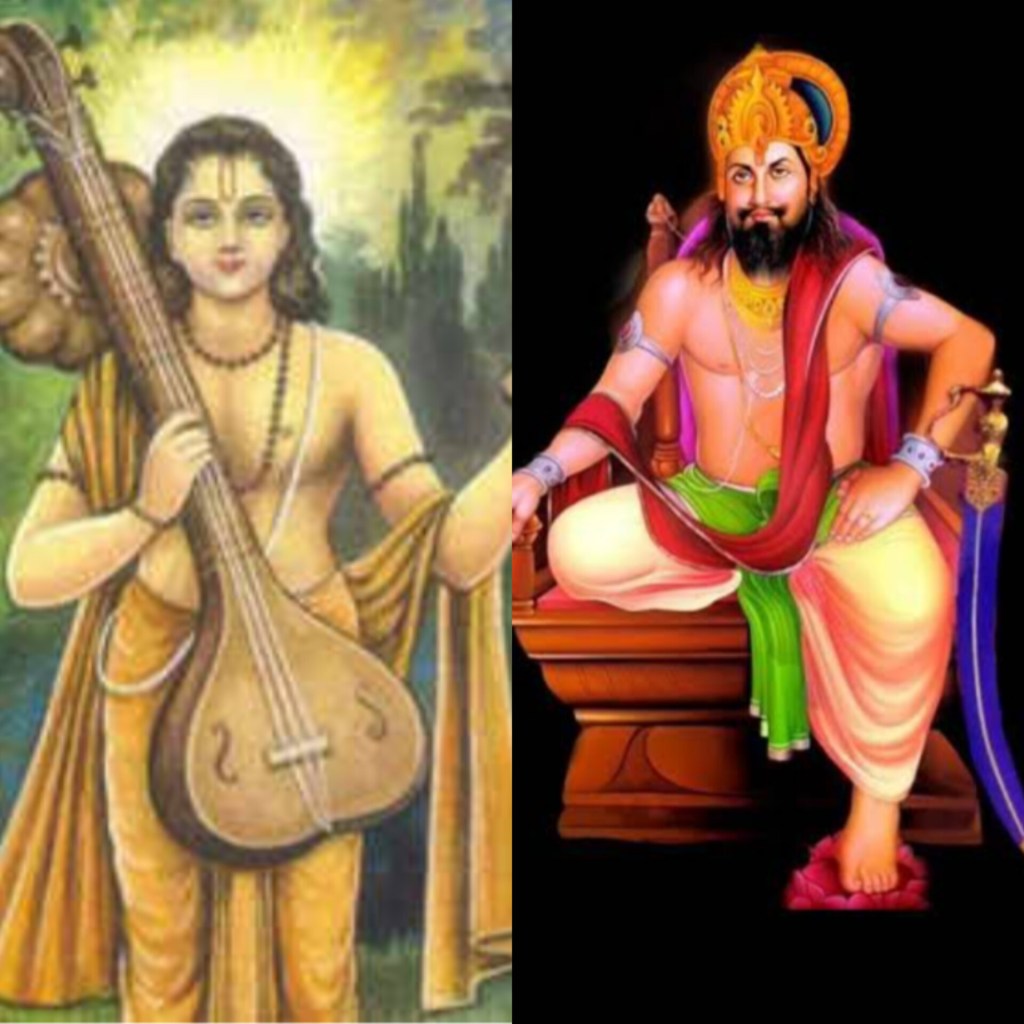
    Sage Narad Muni and Daksh Prajapati

    Since childhood we have been listening to stories about how Shri Narad Muni went from one person to another passing information hence changing(enabling) certain events. Have it ever came to your mind that where the extremely knowledgable sage lived. In almost every divine story it was Narad Muni who went from Brahmlok to Baikunthlok to Swarglok to Kailash and so forth. But nobody ever spoke about where the great sage lived. The reason being he never had a permanent home and that also is due to the curse by his own brother Prajapati Daksh.

    Who is Narad Muni?

    Before knowing about the curse first we would know a little about the great sage Shri Narad Muni. Narad Muni is divine sage who had been born from pristine thought of Lord Brahma, the God of creation. He is also referred to as Rishiraj, the king of all sages. He is a staunch devotee of Lord Vishnu. Narad Muni is gifted with great knowledge of past, present and future.

    He is mentioned in a lot of ancient texts like Mahabharat, Ramayan and Puranas. He is believed to have recited about Bhagwan Sri Ram Chandra to sage Valmiki who lated on wrote Ramayana.

    Daksh’s Curse

    When Lord Brahma gave Daksh the duty to take care of the world he asked him to create living beings. He this created numerous living beings but none of them was procreating. So he decided to create living beings by coition of male and female. He himself had five thousand sons with his wife Asikni known as Haryasvas.

    As per the system they were required to populate the world by having sexual intercourse but sage Narad diverted them in other direction. He told them that they were mere children with little knowledge only. They have the capability to go up, down and sideways so they should utilise this. They should go and find the beginning and end of the universe and gain knowledge. So all sons of Daksh went on that endless journey.

    Daksh again begot thousand sons this time with Panchjani who were called Sabalasvas. Like his earliers they sons they were also asked by Narad Muni to gain knowledge. So in search of knowledge they also went in all direction and never returned.

    This enraged Daksh so much that he cursed his own brother. Just like his sons were wandering the universe he curse Narad Muni to endlessly wander all the realms. Since then sage Narad did not have any home and is wandering from one realm(lok) to another passing knowledge and information.

    Reason behind Sage Narad’s act

    Sage Narad being so knowledgable and enlightened would not send Daksh’s children and endless journey just like that. There was a reason behind that. When Daksh was bestowed power of creation he created only males. He did not understood the importance of females and nale female union. Sage Narad wanted to make him wise and understand that new life on earth can only be possible through females.

    After this Daksh begot sixty daughters and got them married to different dieties and sages. Procreation on earth started naturally only through them.

  • Why Nandi is outside Shiva temple

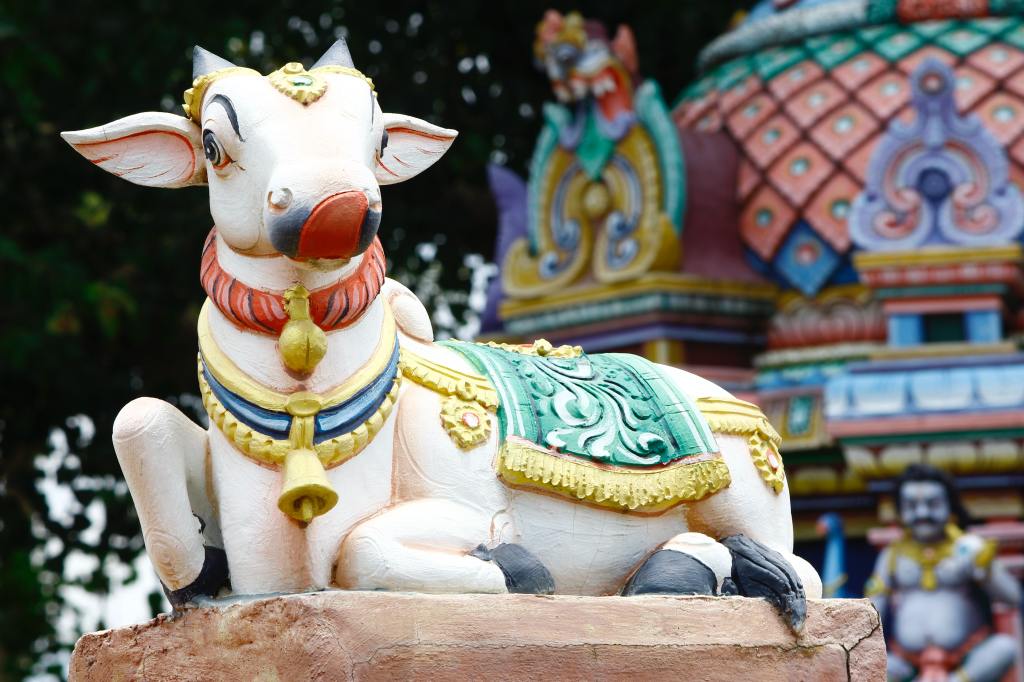
    Nandi is a symbolism of Eternal waiting. In Hindu culture & tradition lord Shiva is the god of gods, the Rudra who gets angry very easily as he always remained in continuous meditative state. So to have an undisturbed meditation Lord Shiva had created several ganas among them the most prominent was Nandi a powerful humped bull. His duty was to guard the entry to kailash as a gatekeeper so that no one can disturb lord Shiva & also act as a messenger to lord. No one in this universe was allowed to disturb lord Shiva the only way to communicate to the lord was to whisper in the ears of Nandi who shall deliver it to the lord.

     Story of gyanvapi.

    Mahant Panna went to Nandi before jumping into the well, closed his eyes and started saying in his ear, ‘The calamity was also on Lord Rama, Trilok  Swamini Mata Sita was taken away by Ravana. When Hanuman ji reached Ashok Vatika in search of Mata and asked her to go with him, the mother refused and said that waiting for Sita would be the inspiration for the destruction of Lanka by Shri Ram. If I go with you, perhaps after finding me, Shri Ram will go back, so oh son, let me wait.

    O Nandi Maharaj, this is what I am reminding you, wait, someone will definitely come to save this pilgrimage. Have faith like Mother Sita and wait, my share of samadhi will come, waiting for your part is Shiva vehicle.’ Saying this Mahant Panna jumped into the well.

    The army of the invaders came, the Avimukteshwar area was demolished. Nandi kept watching this after getting hurt by Jatayu, then one day a queen came, she lifted Mahadev from the lap, Nandi saw that Mother Anusuiya’s affection was being touched on his head, but Nandi was waiting. Centuries passed, Yuga Badla Nandi was counting the days.

    One day Nandi saw the revival of Avimukteshwar area, he heard that the king of New India has ordered the rejuvenation of Kashi. One day Nandi’s body was touched by the winds coming from Mother Ganga. It took three hundred fifty-two years to see Mother Ganga. Nandi’s bliss returned, Vishwanath Dham’s supernaturality returned, but Nandi was still looking at Gyanvapi Tirtha, Mahant was looking at Panna.

    Nandi’s tenacity overshadowed the reputation of the fragmented works of the new king of India. He understood that the work of Mahadev is incomplete, the promise made to Mother Ganga is incomplete. He ordered that the Gyanvapi shrine be liberated. Mahant Panna, who was buried in the well, smiled, the wait for Nandi is about to end.

  • Shri mahabali lords Birthday. Hanuman Jayanti 2022: know the auspicious Date, Puja timing, history of the day, significance of the holy Occasion.

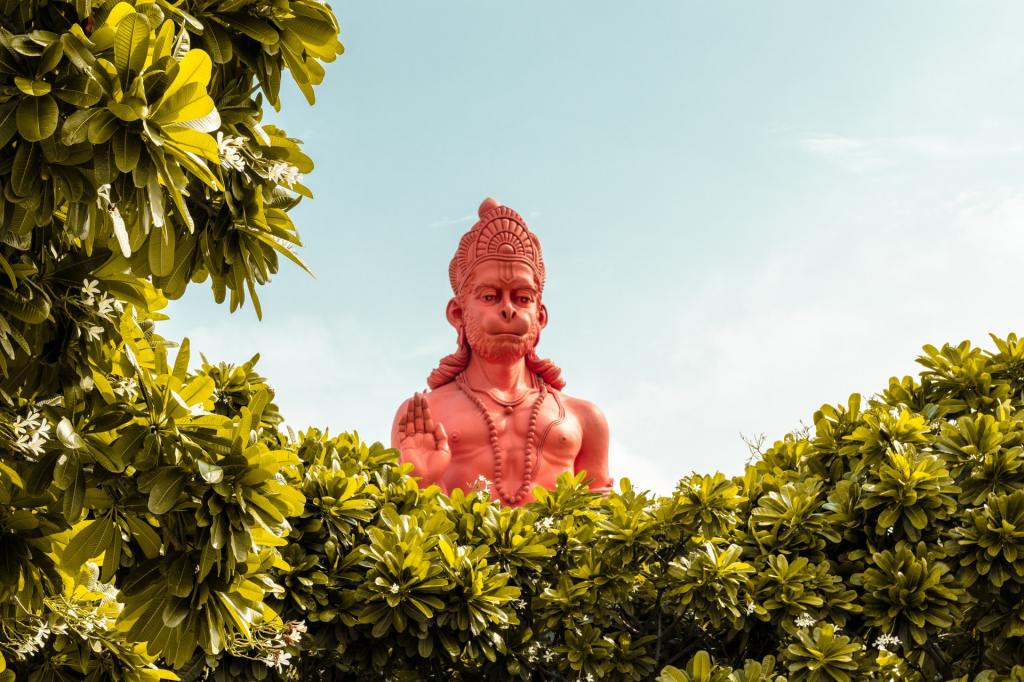
    Every year Hanuman jayanti celebrated to commemorate the birth of Lord Hanuman the great mythical monkey God of india. This year the festival falls on April 16.The festival is celebrated every year on the full moon day during the month of Chaitra. On this day, devotees of Lord Hanuman visit hanuman temples located through out india in almost all cities and villages to worship the lord and offer him the bhog of boondi, laddoo and paan many other things.Gyms and akhadas all over india irrespective of the religion of the owner celebrate this festival with grand endeavour and large vegetarian feasts as lord hanuman in india is also worshiped by all physical fitness enthusiast.

    Date and timing of hanuman jayanti 2022. This year hanuman jayanti fall’s on 16th April and shall be celebrated with full rigour through out country after two years of sever covid hardship as both in 2020 and 2021 the month in which hanuman jayanti fell was marked peak covid waves with large no of casualties. According to Drikpanchang, Purnima Tithi begins from 02:25 am on April 16, 2022 and ends at 12:24 am on April 17, 2022.

    Significance of the day. Lord Hanuman is called sankatmochan means saviour from all dangers. So,Worshipping Lord Hanuman is said to protect people from evil and help emerge victorious. While the festival is celebrated on different days across the country, but the most popularly one is celebrated during Chaitra mass. The celebrations begin early in the morning on Hanuman Jayanti as it is believed that the lord was born at sunrise. The devotees also read verses from Ramayana and Hanuman chalisa,a holy ancient prayer dedicated to the lord and perform other prayers on this day.

    History of this day. He is the son of vayubhagwan the wind god,thus referred to as Pawanputra and Maruti Nandan which translate to son of Wind God. His other names are Sankatmochan and Dukhbhanjan as he is believed to help people get rid of their problems and sorrows. Hanuman was born to monkey queen Anjana who was a cursed apsara. She was redeemed from the curse after giving birth to Hanuman. According to legend, Anjana and her husband Kesari prayed to Rudra or shiva for a child and by his direction, Vayu transferred his male energy to monkey queen Anjana’s womb and this is the reason Hanuman is known as the son of vayu .Hanuman devotees often apply a tilak of sindoor on their heads. There is a story behind it. As per a legend, when Lord Hanuman saw Sita Mata applying sindoor on her forehead, he asked her why she did it and she replied it was for long life of her husband. Lord Hanuman then smeared his entire body with sindoor to ensure immortality of Lord Rama.

  • Dead body of Ravan waiting for someone to bring him back ??

    Anyone who knows a bit about Hinduism is aware of Great Hindu Epic Ramayan with Shri Ram as the greatest hero and Ravan as the greatest villain. The war between Shri Ram and Ravan ends when Lord Ram kills Ravan with his arrow. But what happened after Ravan died. In many versions of Ramayan including Valmiki’s Ramayan it is mentioned that his dead body was cremated as per the rituals but many people believe otherwise.

    Who is Ravan ?

    As per one of the most revered hindu scriptures Ramayan Ravan is a very powerful demon king of Lanka. He abducted Devi Sita forcefully and as a result got killed by Lord Ram. Ravan was highly learned and staunch devotee of Lord Shiva but he was also personification of evil. His sins were to the extant that God Vishnu himself had yo take birth to kill him. Can you ever imagine Ravan to be back to life. Even the thought is enough to scare all the mankind.

    What happened after Ravan died ?

    After Lord Ram won the battle and Ravan was killed everyone was busy in celebrating their victory abandoning his dead body as it is. Then Shri Ram instructed Vibhishan( brother of Ravan) to perform his last rights but he was in a hurry to take control of the throne so he left Ravan’s dead body as it is. Later when he returned there he could not find his dead body. Ravan was a good friend of the Naga king and it is believed that the Naga people took his dead body with them. The people of Nagkul believed that the death of Ravan was temporary and he could be revived. They made numerous efforts to bring him back to life but failed everytime. Finally they preserved his body by applying various chemicals so that it could be revived sometime in future.

    Where is Ravan’s body ?

    The question here arises that if the body of Ravan is preserved then where it is now. In the dense jungles of Ragla, Sri Lanka a cave was discovered by Sri Lanka’s’ International Ramayan Research Center and the Ministry of Tourism. In this cave exists a thousands of years old mummified body guarded by fierce snakes. This mummy which is believed to be of Ravan has a special type of coating which preserved it for thousands of years and is closed in a 18 feet long casket. It is also believed that treasure of Ravan is also suppressed underneath.

    It solely depends on an individual to believe whether last rights of Ravan were performed or his body was preservd. But the slightest possibility of his body being preserved for the purpose of revival is enough to send chills imagining what will happen if he ever comes back to life.

  • Story of Devi Brahmacharini: Goddess worshipped on second day of Navratri

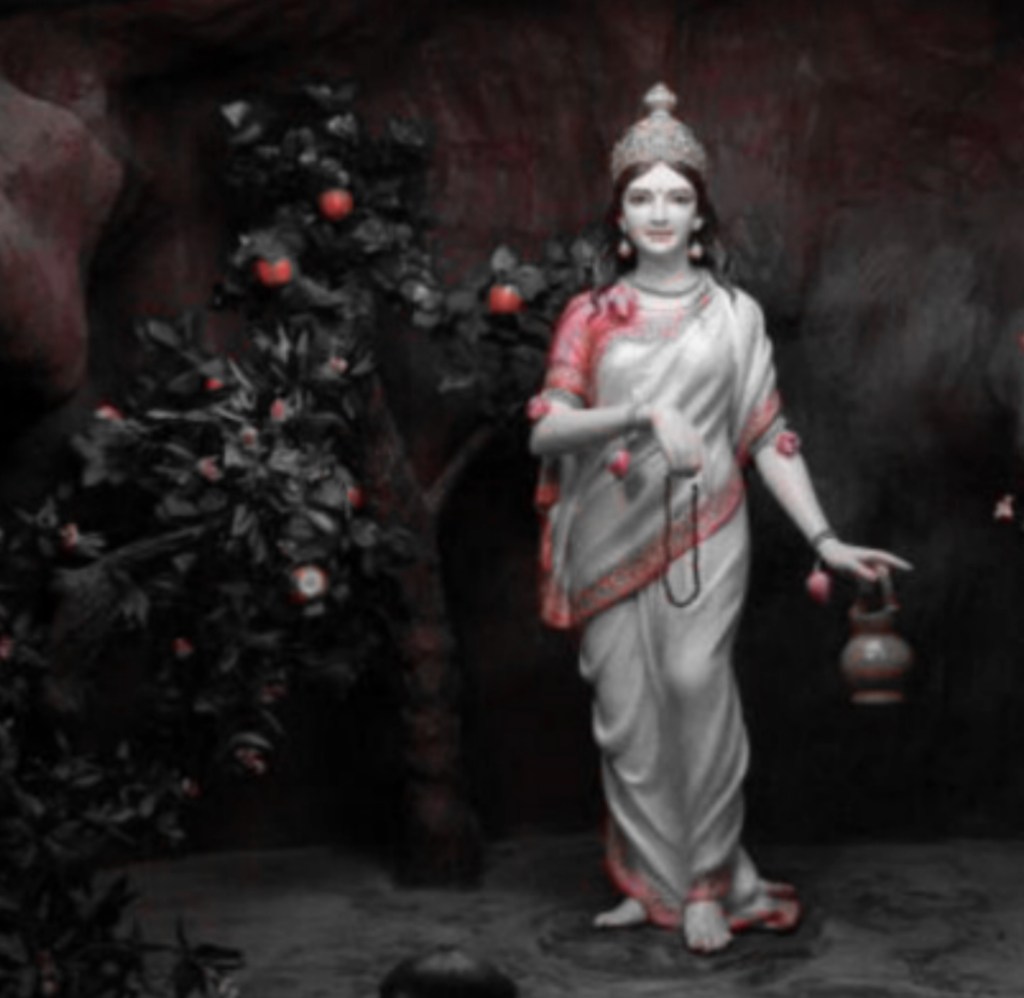
    Devi Brahmcharini

    Lord Shiva, the most revered God of Hinduism is considered the ultimate hermit. Looking at his reclusive nature demon Tarakasur asked for the boon that he could only be killed by the son of Lord Shiva thinking that Shiva is never going to have a consort. When Shiva married Sati he got terrified but Devi Sati soon killed herself in the yagna kund. This made Tarakasur extremely happy and he became fearless. He created havoc all over the world and his atrocities were increasing day by day. Looking at all this destruction all the deities (devatas) got worried and went to Devarshi Narad. Devarshi Narad told them that Devi Sati is reborn as Parvati to marry Lord Shiva.

    He went to Devi Parvati and told her about her previous birth. On knowing about her previous birth she regained the insight of the eternal love between Mahadev(lord Shiva) and herself and she vowed to marry Shiva in this birth also. She asked Narad what she had to do to marry Mahadev. He suggested her to go for austerity.

    Then Devi Parvati left everything and indulged herself in devotion of Mahadev doing rigorous penance. For years she left the royal food and had flowers, leaves, roots as food but could not please Mahadev. Then she only took leaves for food and slept on earth in the dense forest without any shelter but still could not please Shiva. Then she gave up food and water and completely indulged in meditation. This pleased Lord Brahma and he granted her boon that Mahadev will marry her and then Shiva marries her.

    This form of Devi Parvati who wears white clothes and holds Japamala in one hand and kamandal in other came to be known as Ma Brahmacharini and is worshipped on second day of Navratri.

  • Story of Devi Shail putri: Goddess worshipped on first day of Navratri

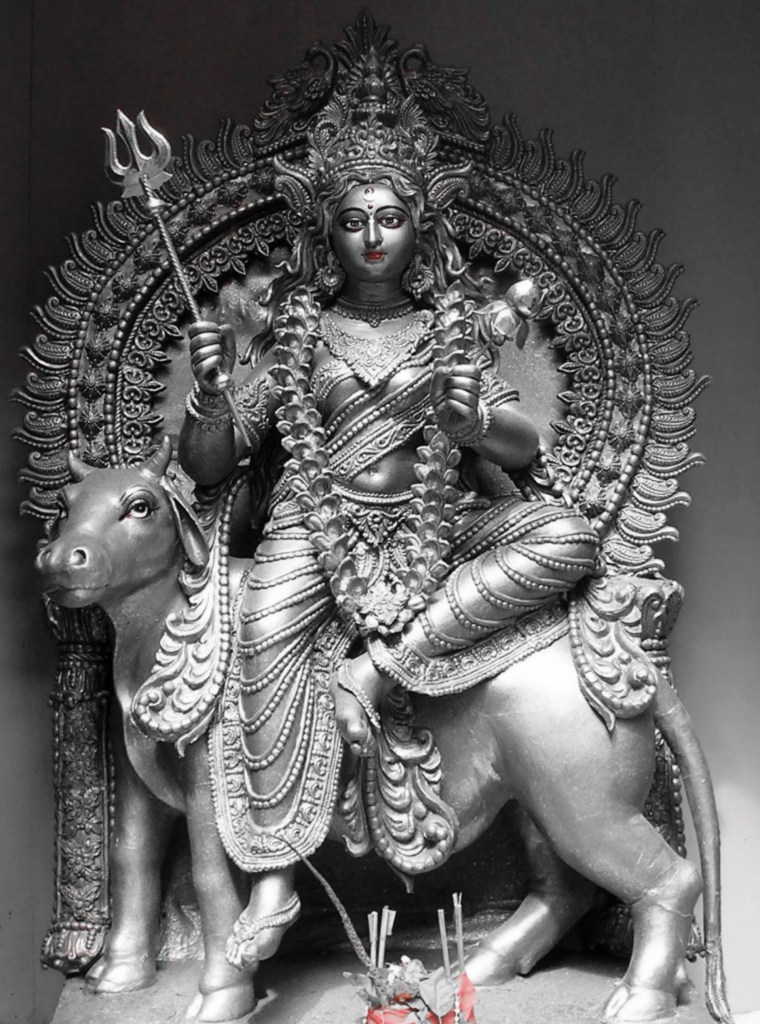
    Ma Shailputri

    Ma Shail putri(Parvati) is worshipped on first day of Navratri. The name itself means Daughter(putri) of Mountain (Shail). Many people believe that Goddess Parvati got this name because she was the daughter of King Himavan bet there is one more story associated with this name of Devi Parvati.

    Once when Devi Parvati was a kid she was playing hide and seek with her friends. Her friends were hiding and she was searching for them. While searching she saw a river with beautiful lotus flowers. She was about to pluck a flower when a cow came to her. It seemed to her that the cow was in extreme pain. She wanted to help her so she went on with the cow.

    At some distance she saw numerous bones and carcasses of cows scattered on the ground. It looked like someone had killed and eaten them recently. She touched the head of a cow and closed her eyes. Then she got and insight about demoness Tarika, sister of Demon Tarakasur. Tarakasur had a boon that he could be killed by the son of Lord Shiva and Devi Parvati only so he sent his sister Tarika on earth to kill Devi Parvati. When she came on earth she saw all these cows and was tempted to eat them and attacked those cows. One of the cows escapes and went to Devi Parvati.

    Parvati made a plan to kill the demoness. She took the form of a small hill (shail) and asked the cow to hide behind her and moo to entice Tarika. The cow did as asked. Tarika tried to attack the cow but Parvati in the form of hill shifted her place and protected her. She again tried to attack the cow but Parvati again sheltered her. This hide and seek kept on going. Meanwhile Parvati’s father and friends got worried about her as the sun had set and it started growing dark. Her father and many villagers came there and witnesses the struggle between the cow and the demoness but they failed to find Parvati.

    Now Tarika got furious and took out her sword to break the hill. On seeing this Parvati’s father also took out his sword. Before any of the two could attack the hill started breaking emitting divine golden light. Soon everyone saw Devi Parvati coming out in her divine form with a golden crown on her head and trident in her hand. In no time she slayed demoness Tarika. Everyone started praising and applauding for her and offered lotus flowers to her. Looking at her in this form her father named her Shail putri.

    This form of Devi holds a trident in one hand and lotus in other and sits on a bull. In this form she also blessed the cow that like herself cow will also be worshipped as a mother. That ia why cow is highly revered in hinduism and considered as mother.

  • Did the boon of Brahma fail ?How Holika got burned?

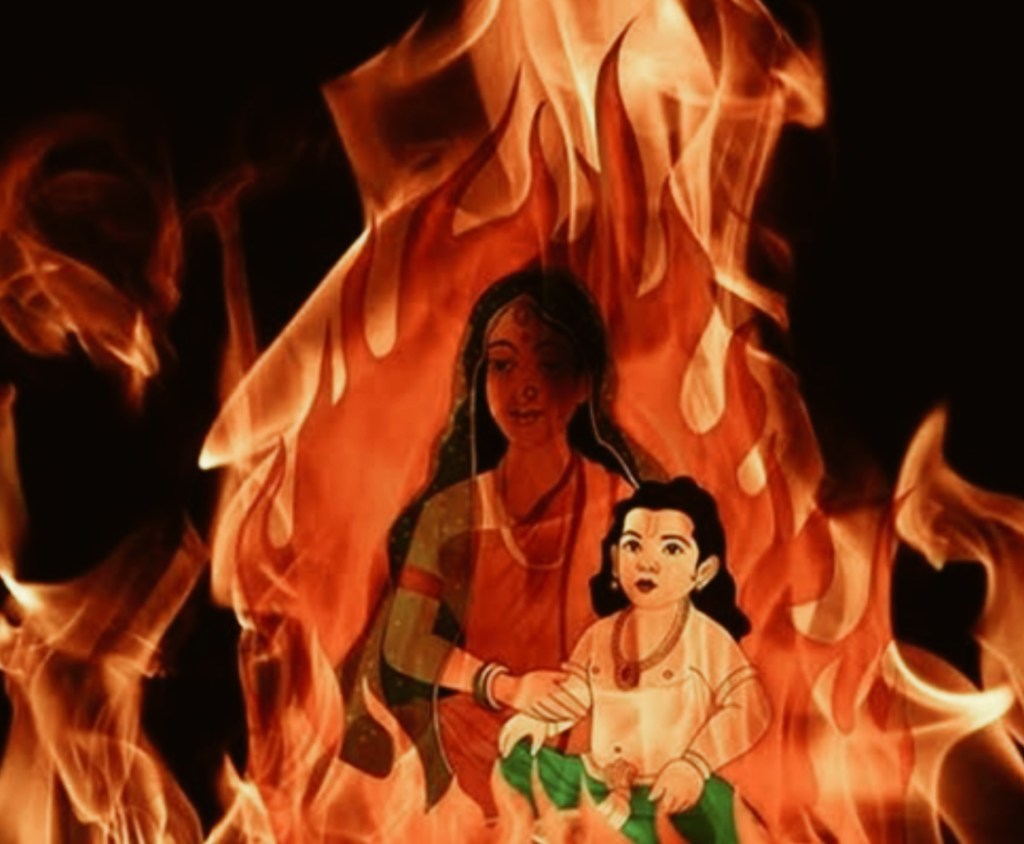
    Holika with Prahlad in fire

    Since ages we have known that the festival of HOLI is celebrated to commemorate the survival of Bhakt Prahlad when his aunt Holika sat in fire with him in her lap. Holika was given boon by Lord Brahma, the creating God of the Supreme Trinity, that she will not be burned by fire. But at the same time the legend says that when she sat with Prahlad in fire she was burnt. How did this happen? How the boon of Lord Brahma fail? Boons which are known to be so powerful in Hindu legends, and that too of the Supreme creator Brahma, is it possible that his boon will go in vain?

    Legend of Bhakt Prahlad

    Once there was an evil demon king Hiranyakashyap. Like most asuras he also had an intense desire of immortality so he did tapasya(austerity or penance) and pleased lord Brahma. He asked for immortality but this cannot be given to anyone so he asked for boon with five special aspects that he could be killed by – neither a human nor an animal – neither indoors nor outdoors – neither at day not at night – neither by any astra(projectile weapon) or any shastra(handheld weapon) – neither on land nor in water or air.

    He declared himself God and punished anyone who tried to worship any God but somehow his son Prahlad was a staunch devotee of Lord Vishnu. He refused to consider his father as God and continued to worship Lord Vishnu which made Hiranyakashyap very furious. Even after several attempts of persuasion Prahlad refused to follow his order so his father decided to kill him. His sister Holika was granted boon by Lord Brahma that fire could not burn her. So on the instructions of his brother she sat in fire carrying Prahlad in her lap. But to everyone’s surprise Prahlad survived and Holika got burnt. Hiranyakashyap was later on killed by Narsimha Avatar of Lord Vishnu.

    Why the boon of Brahma did not work

    In all the legends of hinduism we see that curses and boons always work. Then why the boon of Holika did not work. Amongst the various versions of this legend these reasons are provided for this.

    First version says that Holika actually had a shawl (or cloak) that protected her from fire. When she entered the fire with Prahlad this enraged Lord Vishnu and her shawl was blown away and thus she got burnt.

    Another version says that the actual boon of Holika was that fire could not harm her if she enters the fire alone. But when she sat with Prahlad she was not alone and hence she was destroyed by fire.

    In another version it is said that Lord Brahma granted her boon of not getting burnt by fire only until she is not having bad intentions. When she tried to kill Prahlad her intentions were malign and so she was burnt.

    There are no legends in Hinduism in which a curse or a boon has not worked no matter how good or evil the one having the curse or boon was. I hope these versions provide plausible answer to this question that how can a boon of Brahma not work.

  • Worship of Ravan, the biggest villain in hinduism, in India

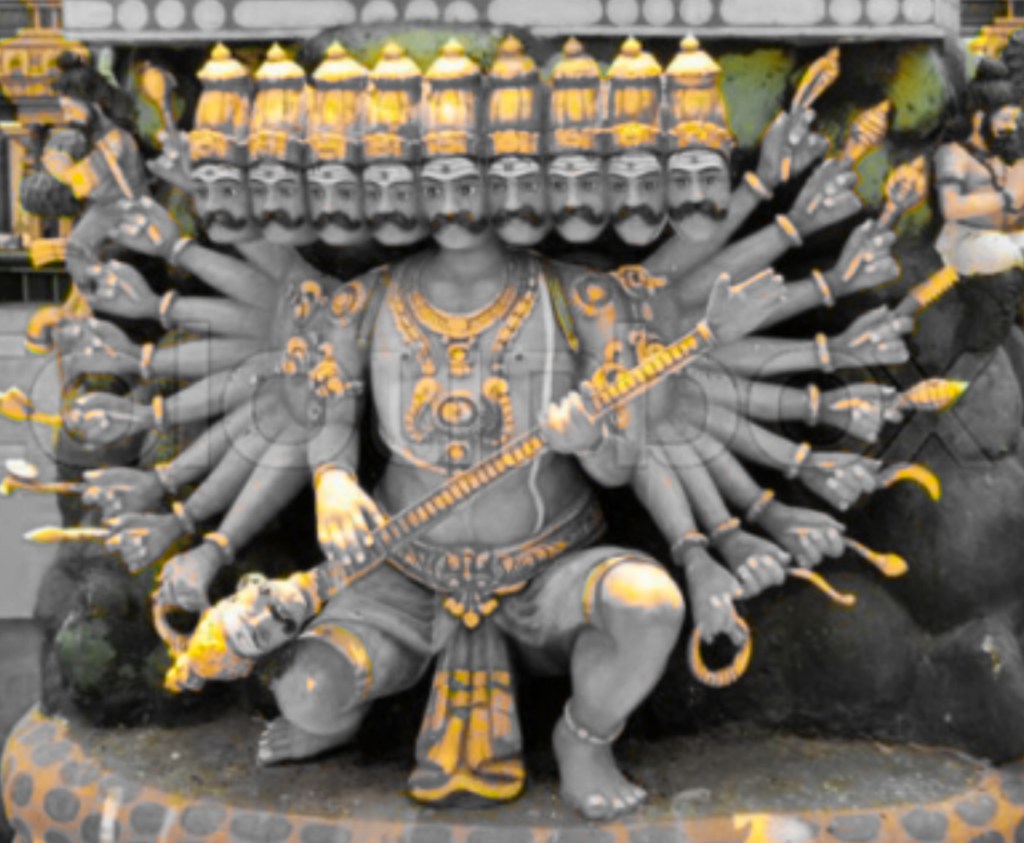
    Idol of Ravan

    Anyone who is aware of Hinduism and Indian culture knows that Dussehra is an important indian/hindu festival. On this day victory of Lord Ram over King of Lanka Ravan is celebrated and it signifies the victory of good over bad. In every parts of the country effigies of Ravan is burnt on this auspicious day.

    Who is Ravan

    As per one of the most revered hindu scriptures Ramayan Ravan is a very powerful demon king of Lanka. He abducted Devi Sita forcefully and as a result got killed by Lord Ram. Though known as personification of evil Ravan was highly learned and staunch devotee of Lord Shiva.

    Ravan worship in India

    It is quite surprising to know that even though how Lord Ram is worshipped and Ravan is considered a demon and his effigies are burnt all over India to celebrate the victory of good over evil there are some places where he is revered and worshipped. Below is the list of few places in India where Ravan worshipped.

    1. Mandsaur : Mandsaur is a town in Madhya Pradesh which is considered to be the birth place of queen Mandodari, wife of Ravan. In Indian culture a son-in-law is highly respected so despite everything he is worshipped here for his unparalleled knowledge and devotion to Lord Shiva. On Dussehra people here mourn his death and hold prayers fir him.

    2. Bisrakh: Situated in Uttar Pradesh Bisrakh is considered as birth place of Ravan. Stories say that Ravan’s father Rishi Vishrava who was a revered Brahmin had found a Swayambhu Shivlinga here. Ravan is also considered a Mahabrahmin here and people hold Yagyas (yagnas) and prayers for his departed soul during Navratri.

    3. Gadchiroli: Gond tribes of Gadchiroli Maharashtra consider Ravan and his son Meghnath as Gods and offer prayers to them during their festival phagun. According to them Ravan was not a demon as largely perceived and he was never demonized in Valmiki’s Ramayan. Sage Valmiki clearly mentioned that Ravan did not do anything wrong or malign Devi Sita It was tulsidas’s Ramcharitmanas that described Ravan and cruel and devilish.

    4. Kangra: People here consider Ravan as a great devotee of Lord Shiva. As per the legend Ravan appeased Lord Shiva with his devotion at this very place in Himachal Pradesh and was granted his boon.

    5. Jodhpur: Maudgil Brahmand of this town in Rajasthan believe that their ancestors had come with Ravan during his marriage and settled here. Considering themselves as his descendants they perform Shraddh and Pinddan for him.

    6. Mandya and Kolar: In these two districts of Karnataka devotion of Ravan towards Lord Shiva is highly praised. He is worshipped during the harvest festival. Moreover in these two districts its very common to find temples of Ravan who is worshipped for his unfathomable devotion for Lord Shiva.

    Well this is the beauty of hinduism and Indian culture that they value the good aspects of an individual even though he may be the biggest villain of their mythology.