Category: Devotion & Mythology

This contains articles regarding our faith, our festivals and our mythology.

  • Indians knew the distance between the Sun and Earth thousands of years ago

    The Sun and the Earth

    Today we are celebrating Hanuman Jayanti. On this auspicious day you will be glad to know how our ancient text about Lord Hanuman contains a very important scientific fact.

    If we look back at our ancient texts we realize that a lot was known by our ancestors that we somehow have forgotten and when these things are rediscovered we tend to believe that a new discovery has happened. One such thing is the distance between the Sun and the Earth.

    What is the distance of Sun from Earth & Who discovered the Astronomical Unit

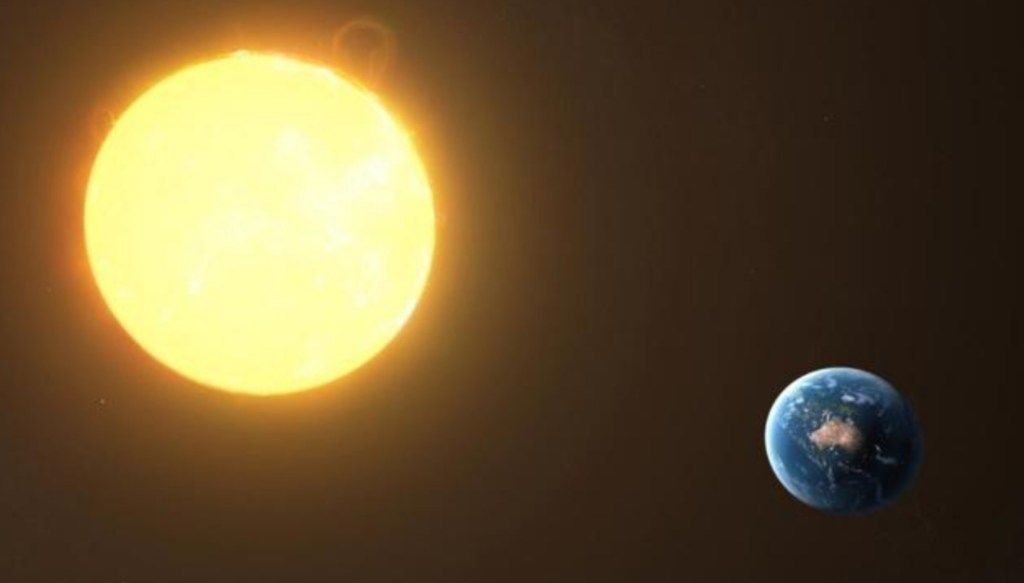
    The distance between the Sun and the Earth is 1.49 million kilometres. The orbit of earth around the sun being elliptical the distance actually varies at different points by 3% and the average of these values is considered as the distance which is known as an Astronomical unit. In 1653 Christiaan Huygens calculated the distance between the Sun and the Earth. With due respect to his discovery he has also explained how he calculated this using the phases of Venus to find the angles in a Venus-Earth-Sun triangle.

    Is this a new discovery ?

    Above I have mentioned what is widely known and now I will mention something that is not known. 16th century Indian spiritual poet Tulsidas (1532-1623) has written a devotional hymn address to Lord Hanuman known as Hanuman Chalisa. The exact date of writing of Hanuman Chalisa is not known but it could be easily concluded that it was written before 1623. Along with Ramcharitmanas, Hanuman Chalisa were written by him inspired by Valmiki’s Ramayan which was written in 3rd century BCE. Now the question is how Hanuman Chalisa is related to this complex calculation of Astronomical Unit.
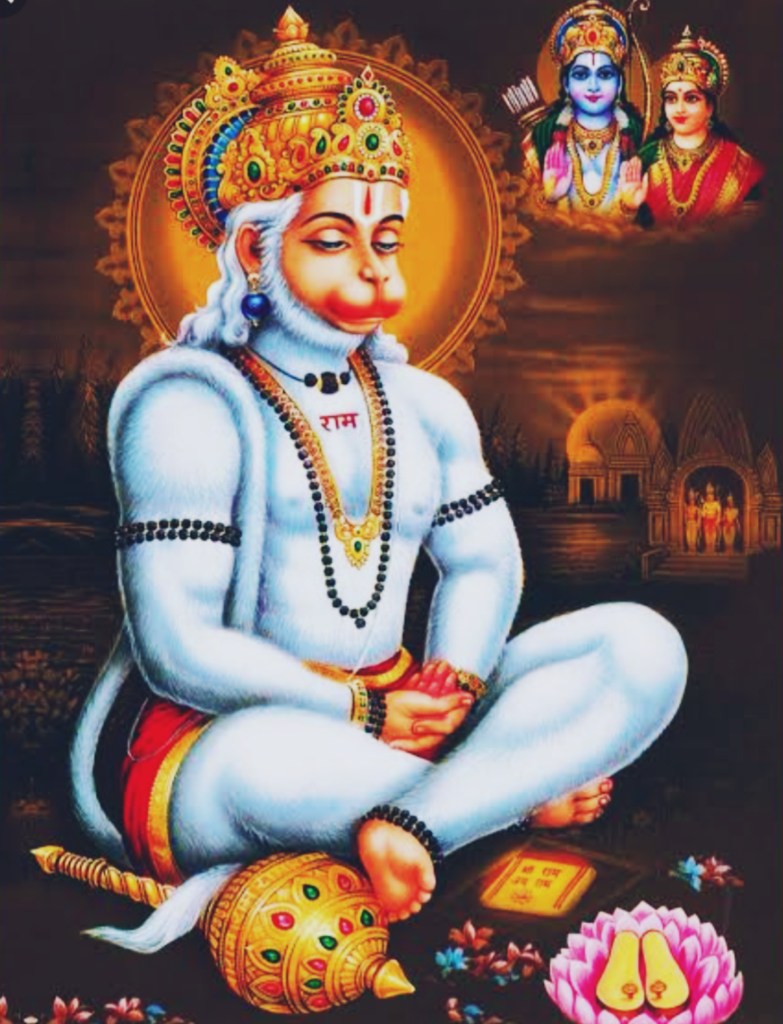
    Lord Hanuman

    Hanuman Chalisa, Valmiki’s Ramayan and many other ancient religious texts of Hinduism depicts a story about Lord Hanuman that when he was a child he thought of the Sun as a tasty fruit and went on to eat it.  Lets see what is written about this incident in verse 18 of Hanuman Chalisa.
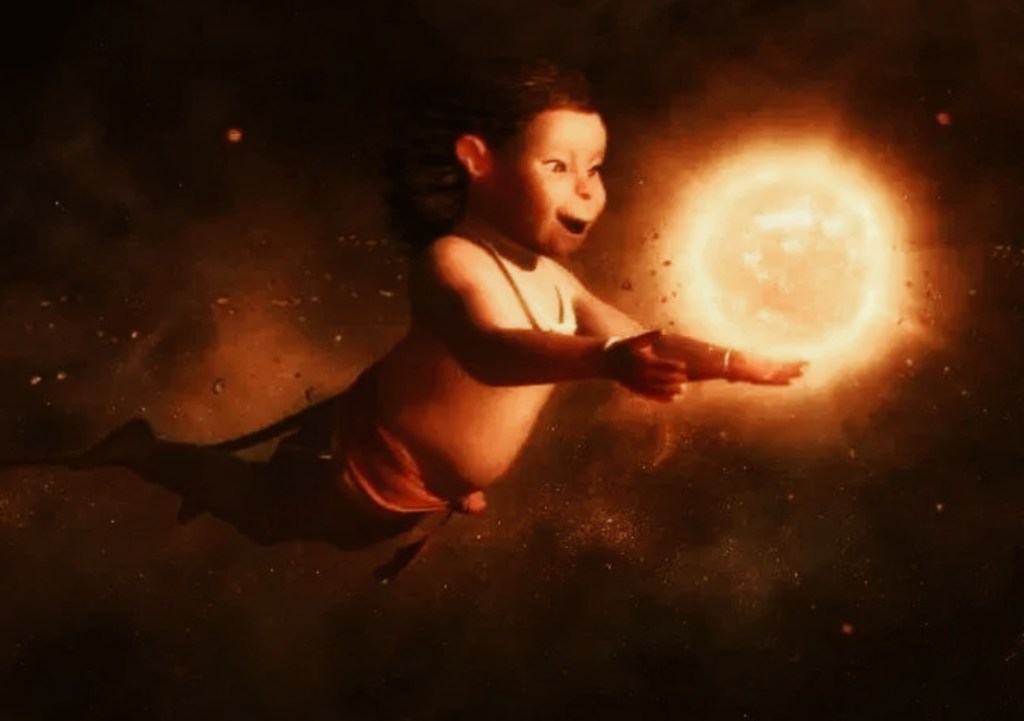
    Baby Hanuman going after Sun

    जुग सहस्त्र जोजन पर भानू। लील्यो ताहि मधुर फल जानू।।

    Jug sahastra jojan par bhanu | Leelyo tahi madhur fal janu ||

    The meaning of this verse is Bhanu which means Sun is lying at a distance of Jug sahastra jojan and Hanuman dashed upon it thinking it to be a sweet fruit. Being in Awadhi language Yug and Yojan are written as Jug and Jojan which means the same.

    Now lets get to the calculations. 1 Jug(Yug) is a timespan of 12000 years and it is very common in ancient texts to use it as a unit to denote the figure 12000 . Sahastra is a Sanskrti word used to denote 1000. Jojan(or Yojan) is a unit of distance equal to 8 miles. Now,

    Jug Sahastra Jojan

    12000 * 1000 * 8 = 9,60,00,000 miles

    Since 1 mile = 1.6 kms

    9,60,00,000 * 1.6 = 15,36,00,000 kms or 153 million kms. Now the distance of Sun from Earth during aphelion i.e., when the Sun is farthest is 152 million kms approx.

    Another notable thing is that Tuslsidas was no scientist but a poet and nowhere had he mentioned how he derived this distance. Calculations or whole descriptions of anything are mentioned mostly when the discovery is new. When something is widely known these thing are not mentioned. Now the Valmiki’s Ramayan which dates back to 3rd century BCE also mentions this incidents and these stories about Lord Hanuman are way older than this. But we can easily conclude that the distance between the Sun and the Earth is widely known to Indians years ago. The question here arrives how we lost our great knowledge about astronomy. We can hope all this can be unearthed soon but as of now there are a lot of scientific discoveries that can be found when we go through our ancient sacred texts.
  • What is Mahasamadhi: A way to attain Nirvana

    Indian culture in fact all ancient cultures over the world are full of mysterious and incredible sciences and knowledge. Samadhi and Mahasamadhi are one of them.

    What is Mahasamadhi ?

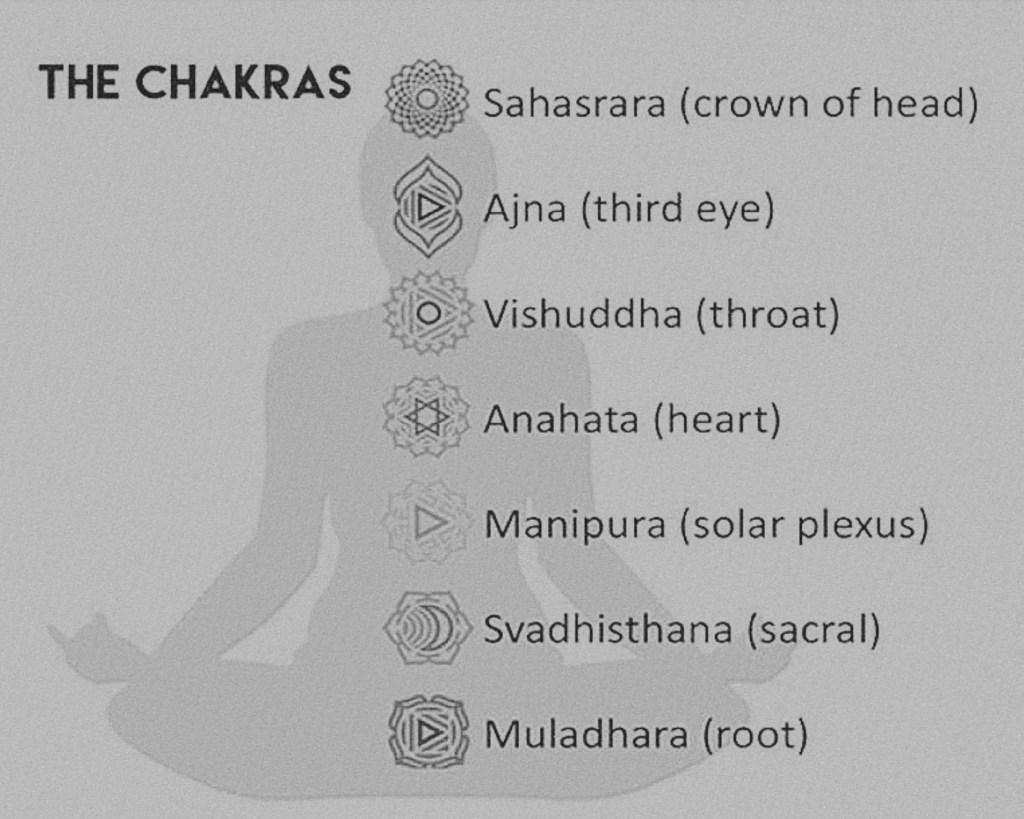
    According to Shaiva tantra of Hinduism the divine feminine energy is located at the kundalini of every individual and when one perform kundalini yoga this divine energy awakens. The kundalini yoga has defined seven chakras.

    7 chakras of the Kundalini yoga

    One has to practice Kundalini Yoga to clear all these chakras. Once you reach and clear the topmost chakra SAHASRARA , where knowledge blooms like a lotus, one attains Samadhi in which one’s soul consciously leaves the body to roam around the world.

    The concept of Mahasamadhi is even higher than Samadhi. In MAHASAMADHI one voluntarily leaves the body and unite with Paramatma, the ultimate GOD. According to Yoga scriptures when a Yogi attains Samadhi or MAHASAMADHI his soul passes out through SAHASRARA which causes the blood to flow out from nostrils.

    Have any human attained Mahasamadhi ?

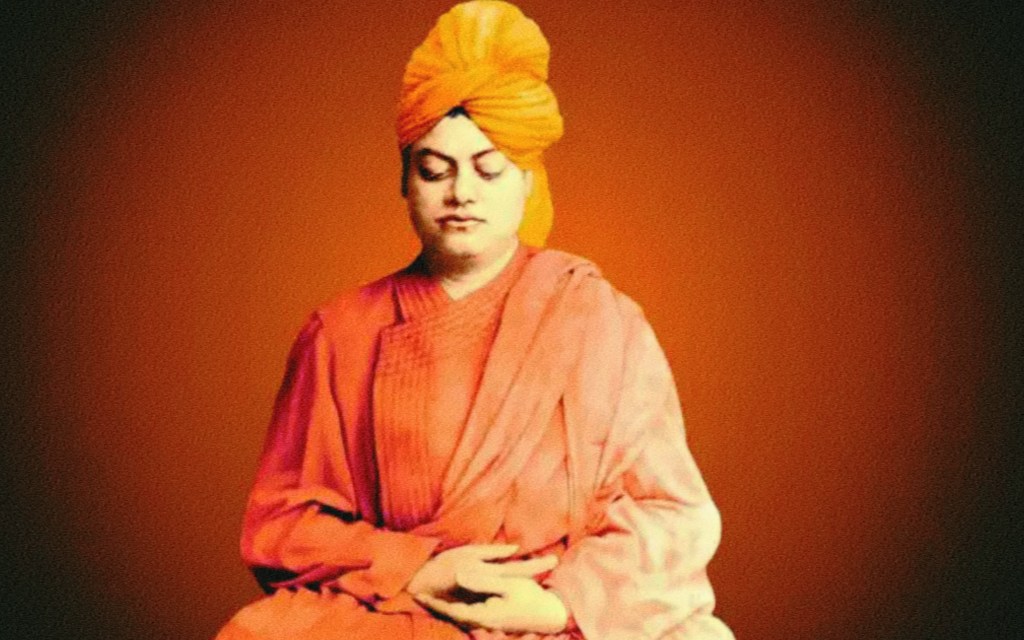
    Swami Vivekananda

    It is believed that Indian monk Swami Vivekananda has attained Mahasamadhi. On 4 July 1902 Swami Vivekananda after 9 pm when his disciples entered his room he was lying on his bed with beads of perspiration on his forehead. He cried like a baby and took few deep breaths and then a little blood came out of his nostrils. His head shook and fell off the pillow and his eyes became still. But after all this there was smile on his lips and as described by his disciples an unearthly glow was emitting from his smiling face. Medical science said that he had a heart attack or a blood vessel in his brain ruptured but his disciples believed that his vein ruptured as his brahmarandhra (an opening in the crown of his head) got pierced when he attained Mahasamadhi.

    It is believed that Swami Vivekananda had already given a prophecy about his death. Click here to read more about this.

    Though we have almost lost the science of kundalini yoga today but we know that there exists a high level of consciousness through which we can become one with the almighty.

  • Temple destroyed by Islamic Invasion ? Mystery of Konark temple cont’d…

    click here to read previous part

    Konark temple Odisha

    click here to read previous part

    How the Konark temple got Destroyed and Ruined

    While Odisha was being rules by the Marathas during 18th century a man discovered the temple but it was abandoned and badly covered in overgrowth. Then last mention of prosperous Konark temple dates back to 16th century. The Akbar Era text Ain-i-Akbari by Abul Fazal mentions Konark temple and described it as a prosperous site that made visitors “astonished at its sight”. It mentioned the temple in its full glorious form with no mention of ruins. There are a few theories associated with its damage.

    The Natural Damage Theory

    It is believed that due to the use of poor quality Khandolite eventually led to the temple’s decay. It is mentioned in the NCERT books that the Shikhar of the temple was very high as it reached 70 metres proved too heavy for the structure and it ultimately fell down. This theory seems doubtful due to the presence of other grand temples nearby. Texts from 17th century mentions about the decay and repair being done at the temple which suggests that the decay started somewhere between late 16th century and 17th century.

    The Islamic Invasion theory

    If we look back at the Islamic texts they mention that the temple was attacked sevaral times by Muslim armies between 15th century and 17th century. They also mention Kalapahad attempted to destroy the temple in 1565 but it inflicted only minor damage and all he could get was the copper kalasa. The hindu text Madala Panji and local stories state that Kalapahad attacked again in 1568 and damaged the temple.

    Later on a great amount of damage was done the same way as with other monuments of India. On small scale local people used to take away stones and other things with them. The Raja of Khurda in 19th century removed some stones and sculptures from the temple to use them in the temple he was building in Puri. The Aruna Stambh was relocated to Jagannath temple Puri and placed at its Singhadwara (Lion’s gate). Finally in 1984 the temple was granted World Heritage Site status by UNESCO.

    click here to read previous part

    No worship in the grand ancient temple

    One of the greatest mystery that also seems to be the most shocking fact about the Konark temple of Odisha is that whether Sun God was worshipped there or not. It is shocking to know but many people believe that the Sun God was never ever worshipped in ancient temple. Why worship was not done in this grand temple is related to the legend of Dharm pada, the 12 year boy who installed the lodestone.

    But later on it was reveled that it is just myth and there were ancient texts available that described worship being done in the temple. The Kenduli Copper Plate inscription of 1384 CE also clearly indicates that the temple was an active site of worship. There are records from 17th century as well that states that worship was being done in the temple.

    click here to read previous part

    The mystery of disappearance of River Chandrabhaga

    If you go through the ancient texts, manuscripts, preserved palm-leaf drawing and sketches including …… They all indicate the presence of Chandrabhaga river. The story of Dharm pada also mentions that the Sun temple is made beside the Chandrabhaga river but currently no river or even traces of river are found in the proximity of the temple. How the Chandrabhaga river disappeared and did it ever exist remains a mystery.

    Although majority of the temple has been in ruins but on seeing whatever is left one can easily feel the grandness and wonderful engineering of ancient India.

    click here to read previous part

  • Dharmpada: Boy who installed 52 ton lodestone at the top of Konark temple

    Konark Sun temple Odisha

    The great masterpiece of engineering, Sun temple of Konark, was built by King Narsimhadeva-I in in 13th century CE(year 1250). It is said that the temple took 12 long years for its completion and around 1200 workers worked day and night staying away from their families to complete it.

    Amongst all the mysteries associated with the Sun temple of Konark (click here to read detail the mystery of konark temple part1, the mystery of konark temple contd.. part2) King Narsimhadeva I had given a deadline for its completion to its Chief Architect Bishu Maharana. Everything was completed in time except for the crown stone Dadhinauti. The crown stone was an around 52 ton weighing lodestone. Every time they tried to place it it used to fall down. The King had given warning to him that if the temple would not be completed withing the stipulated time all the 1200 workers will be beheaded.

    Deeply disturbed Bishu Maharana was thinking how to complete this task just a day before the deadline is going to end when he saw a boy coming to him. The name of that 12 year old boy was Dharmpada. The boy told him that he was his son whom he did not knew because of staying away from his family for construction of the grand temple. He told Dharmapada about his problem.

    When everyone woke up in the morning they saw that the crown stone had been installed by Dharmpada. Everyone was happy but suddenly they all got worried how the King would react when he gets to know that a 12 year old boy did what 1200 experienced workers were unable to do. They were terrified of king Narsimhadeva ‘s anger and thought he will kill all the workers.

    Look at the worries of the workers Dharmapada jumped in the Chandrabhaga river from the top of the temple and died. It is believed that Dharmpada was an avtar of Surya dev (Sun God) who came to break the ego of king Narsimhadeva.

    Earlier it was believed that the suicide of Dharmpada made this temple unholy and Sun God was never worshipped here but it was later it was found that the temple was an active place of worship.

    Even after knowing the legend of Dharmpada it is still unknown how the 52 ton weighing lodestone was placed on the crown of this ancient temple.

  • The mystery of Konark Temple

    Konark temple Odisha

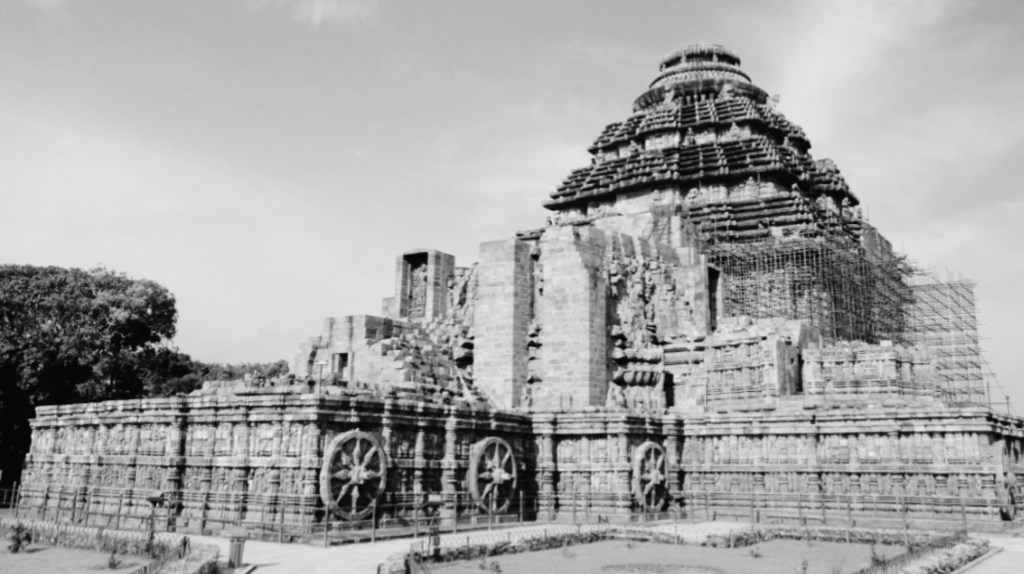
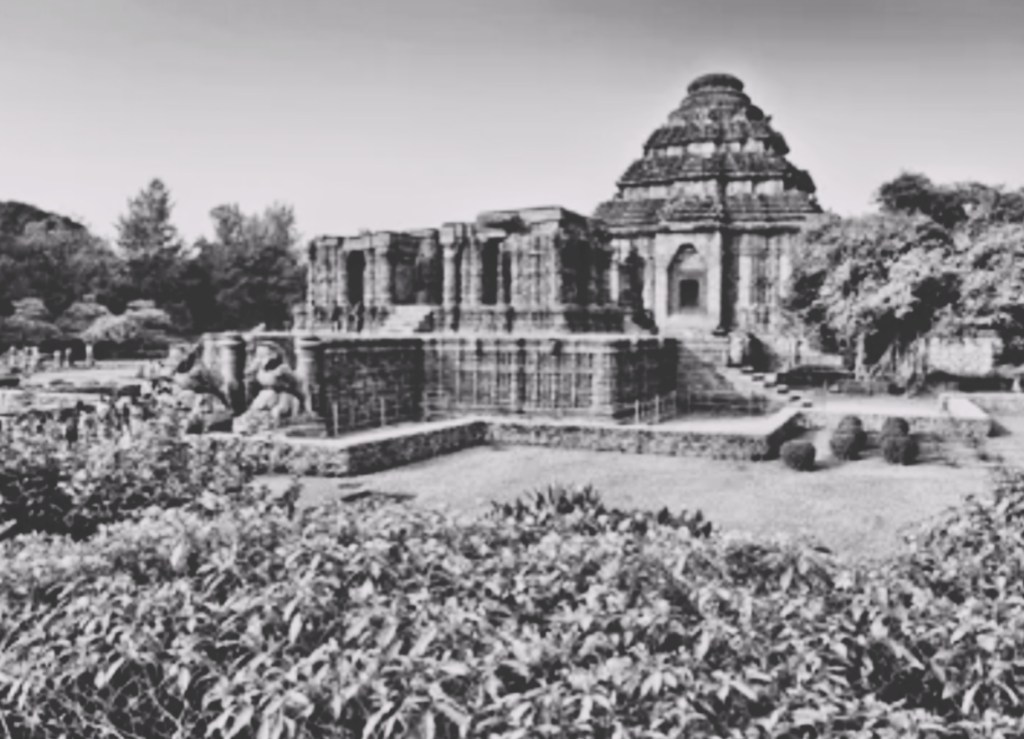
    Sun temple of Konark, situated in the Konark town under Puri district of Odisha, is one of the greatest architectural works of India which intrigues not only Indian but also people from all over the world. The architectural grandeur that today stands about 100 foot (30 meter) high was believed to be over 200 foot (61 meter) once. Built in 13th century CE (year 1250) it is situated 35 kilometres (22 miles) northeast from Puri on the coastline of Odisha.

    Who made Konark Sun Temple and Why

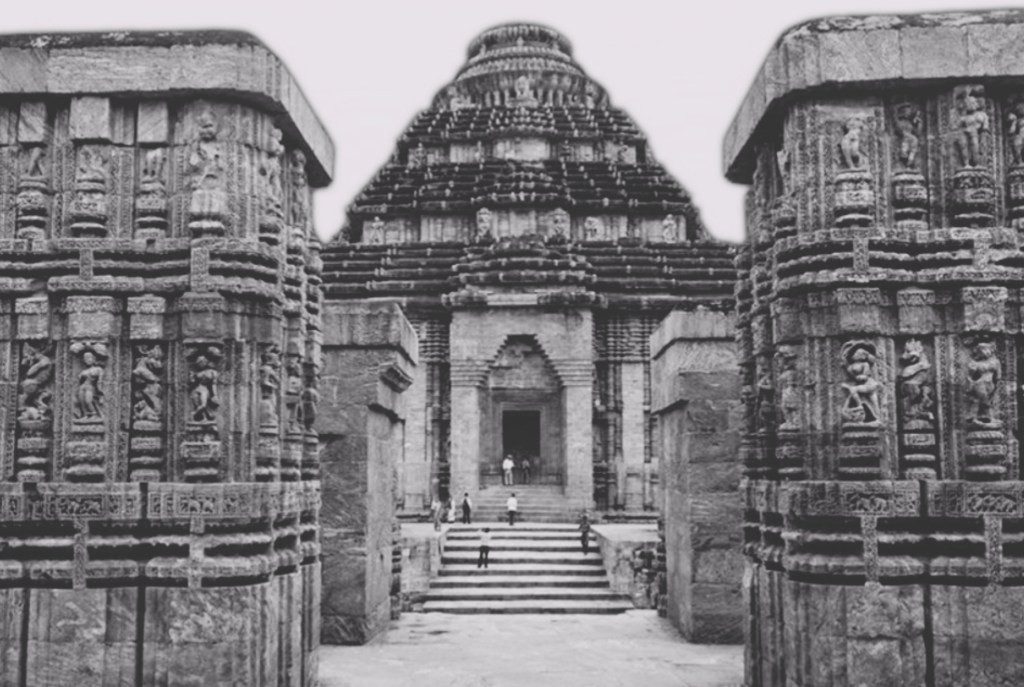
    Konark Sun temple was made by King Narasimhadev I of the Eastern Ganga Dynasty. The exact reason for why King Narasimhadeva built this temple is unknown but may historians believe that it might be to commemorate his conquest over Islamic invasion or gratitude for wish fulfillment. It could have been made simple to show his devotion to Surya Dev (Sun God). Homage to all sects of Hinduism can be seen in this temple. While the lower side is carved with sculptures of various dieties, people doing daily chorus, animals some of these being quite strange, and erotic sculptures from Kamasutra the upper level has larger and more significant images. Sculpture pertaining to Shaktism, Vaishavism and Sahivism can be seen at the higher side including Goddess Durga as Mahishasur Mardini killing the shape shifting buffalo, Lord Vishnu in his Jagannatha form and Lord Shiva in his Shivling form (though it is largely damaged).

    Click here to read how the temple got destroyed and other mysteries..

    Why the Sun temple made at Konark

    According to Hindu mythology Surya dev (Sun God) is believed to be born in Kalinga, that is, present day Odisha. The work Konark is derived from Sanskrit word ‘Kona’ (kon) meaning corner or angle and ark meaning Surya dev (Sun God). People generally think why it is referred to as a Kona or angle the reason for this being Konark temple being a part of the Holy triangle of Kalinga. The holy triangle of Kalinga comprise of Lord Jagannath Temple of Puri, Lingraj temple of Bhubaneshwar and Sun temple of Konark, thus explaing the meaning of Kona that is angle of this triangle.

    The mystery of the Sun temple of Konark

    This ancient temple of India which is famous worldwide have a few mysteries associated with it as well.

    The intricate architecture & How the heavy crown stone was placed ?

    Architectural Marvel

    Konark sun temple originally was made in the form of a huge chariot beautifully ornamented with 24 elaborately carved wheels which are nearly 12 feet (3.7 meter) pulled by a set of seven horses. When viewed from inland it presented a beautiful view of the chariot shaped temple appearing to be emerging from the depths of blue sea carrying the Sun during the sunrise.

    This UNESCO world Heritage site that is located around 67 kilometres from the capital of Odisha, Bhubaneshwar is made up of stones interlocked by metals and the entire metal skeleton was believed to be held together by a huge magnet weighing more than 5 tons. The fitting and finishing is so smooth that even now the joints are barely visible. For the construction of this grand piece of architecture three kind of stones were used namely, Chlorite, Laterite and Khondalite, none of which is available in its vicinity. How these huge stones were brought here still remains a mystery. Many people believe that the stones were brought from the hills of Kadamgiri and Udaigiri which are more than 100 kilometres from there may be using rivers and water channels or lever and pulleys but the exact method is yet unknown.

    The planning and construction records of the temple have been preserved in the form of palm leaf manuscripts which makes this temple on of the very few such temples. These manuscripts are written in Sanskrit in Odia script. The crown stone known as Dadhi nauti was a lodestone weighing nearly 52 tons. Even after repeated efforts the 1200 workers were unable to place it. Every time they try to install it it will fall down. The legend of dharmpada says that it was installed by a 12 year old boy but how he installed it is still a mystery.

    Click here to read how the temple got destroyed and other mysteries..

    Where is the idol of the temple ?

    It is said that the idol of Sun God that was placed in the temple made of Ashtdhatu (alloy of 8 metals) and lodestone and metals were so used in the construction of the temple that the idol used to float in the air without touching the ground. But we have only heard about this idol. There is no account of anyone seeing it. Not even any image of the deity or surya Dev (Sun God) has ever been found so what was its shape and size is not known and remains a mystery till today.

    Where are the idol and the lodestone still remains mystery. It is often said that the Portuguese or the British removed the lodestone as the strong magnet used to create disturbance in the navigation of their ships but removing or demolishing such a huge lodestone without leave a trace seems quite difficult. However how the idol and lodestone were removed and by whom and if the floating idol was a reality or not still remains mystery.

    To be continued..

    Click here to read how the temple got destroyed and other mysteries..