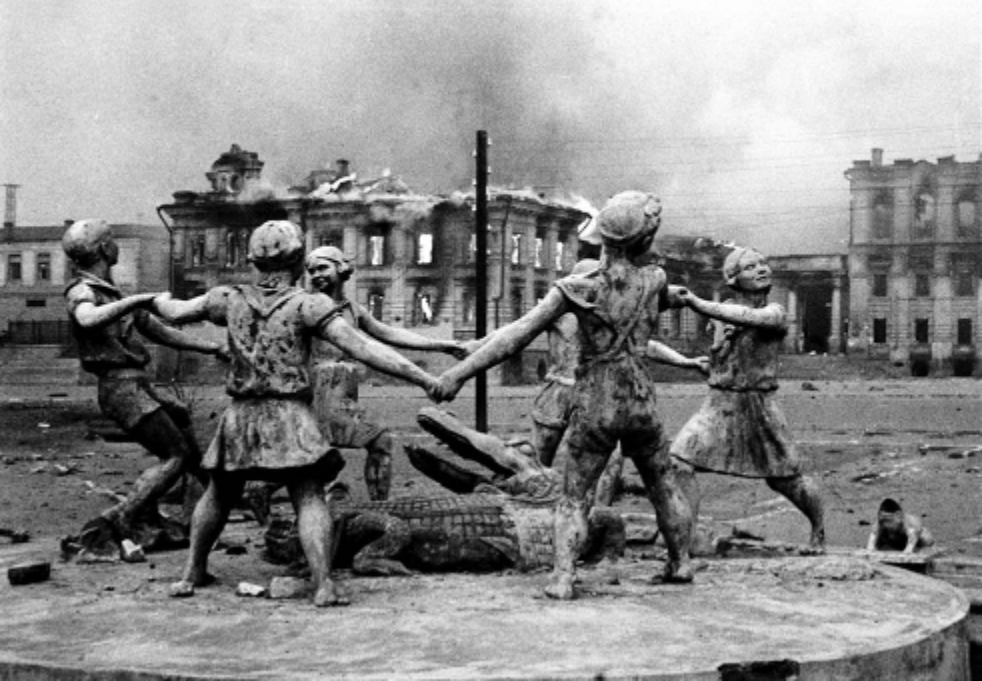
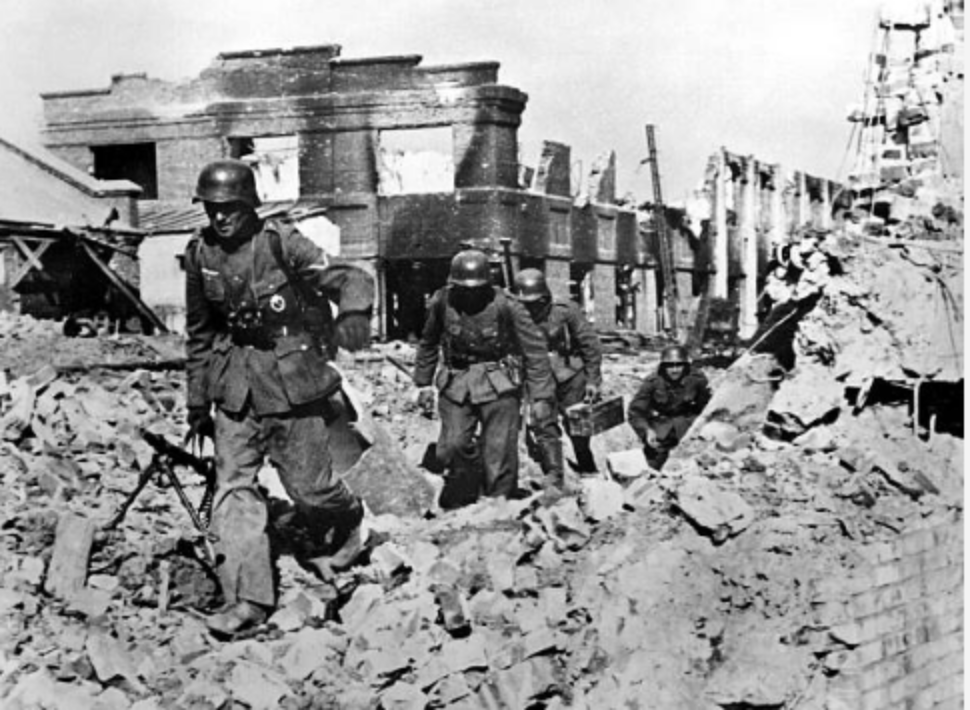
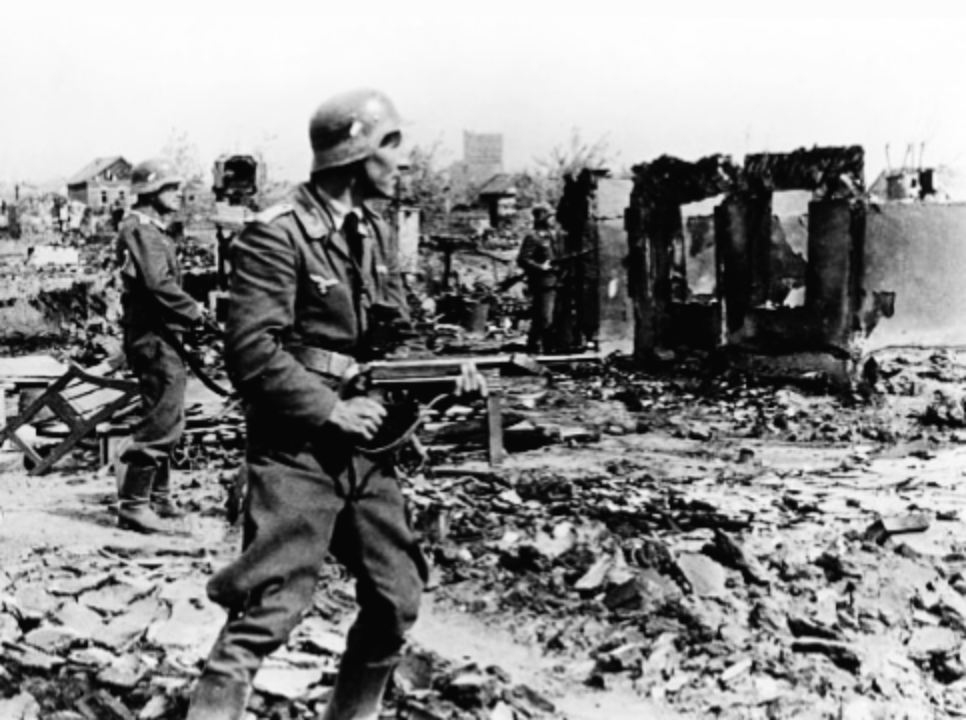
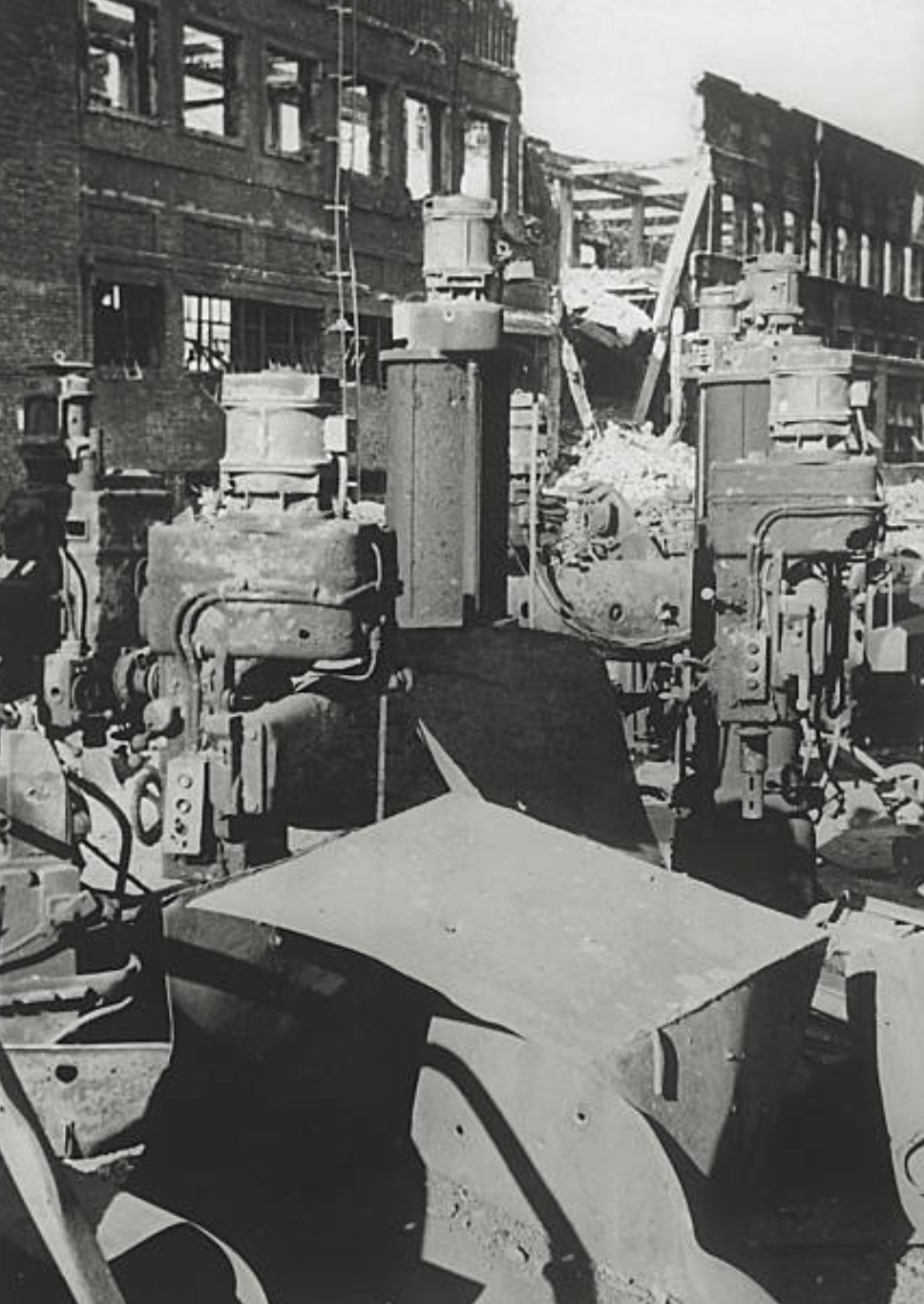
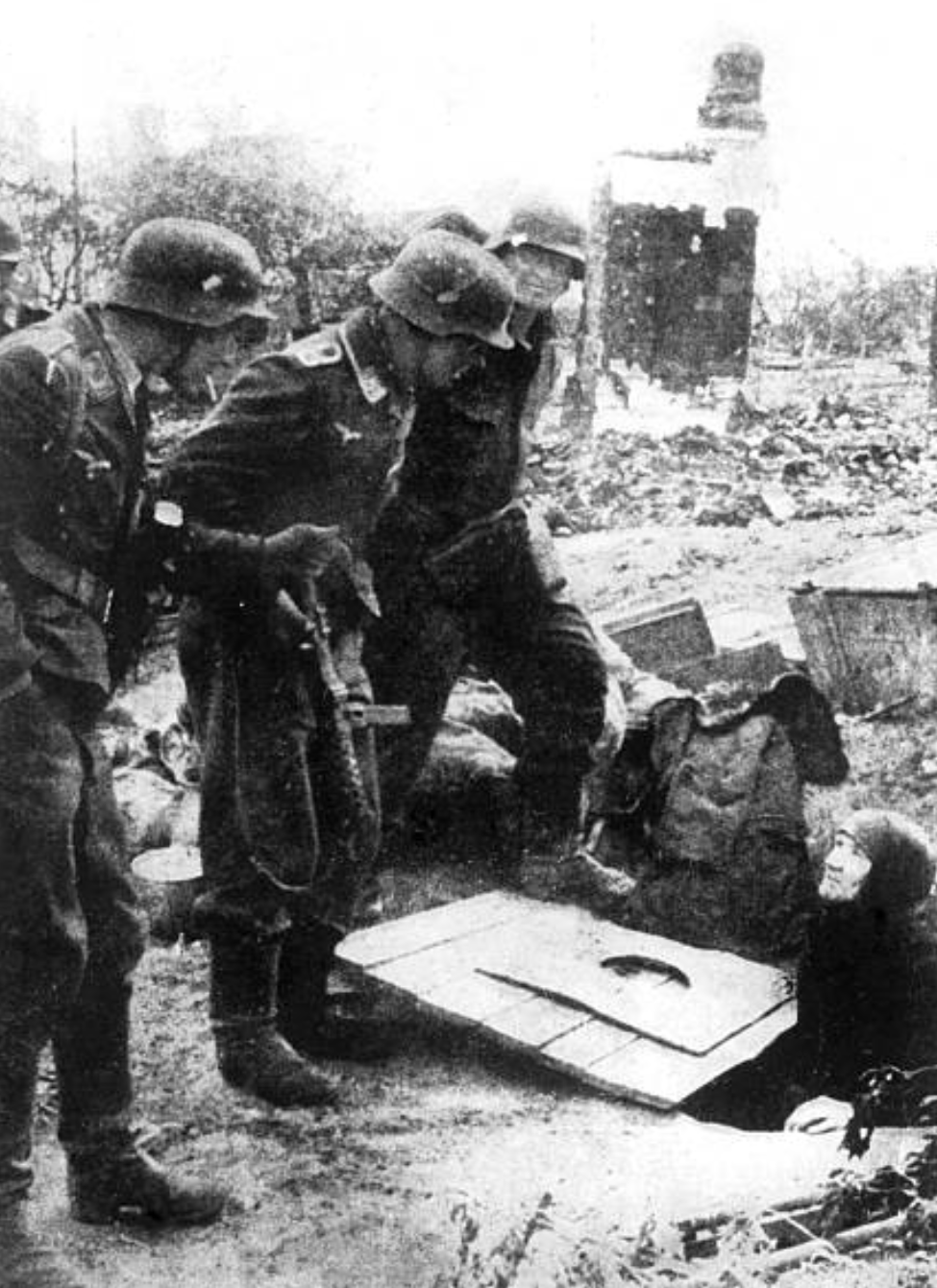
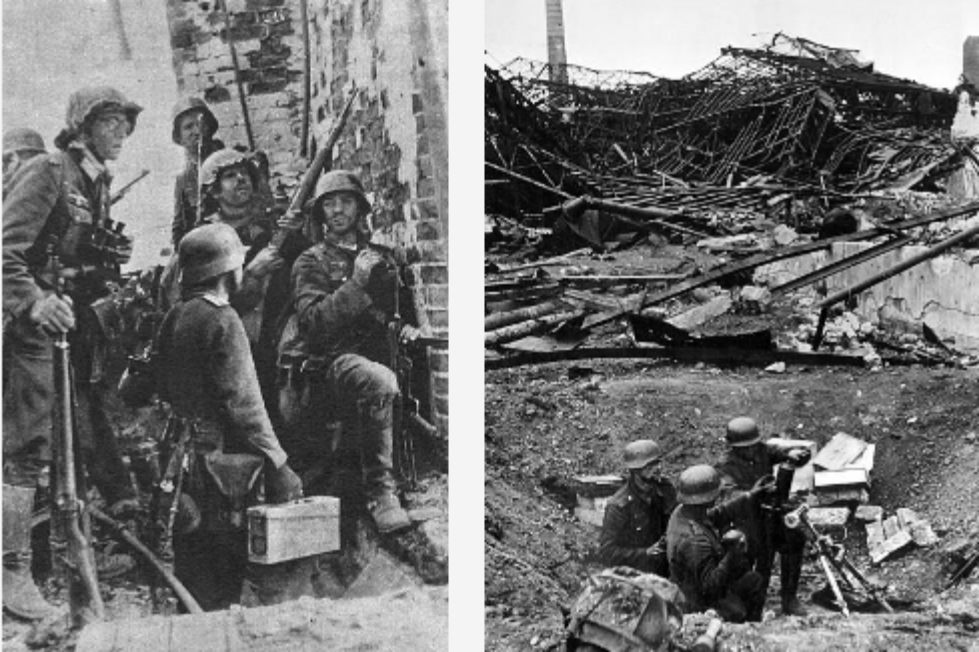
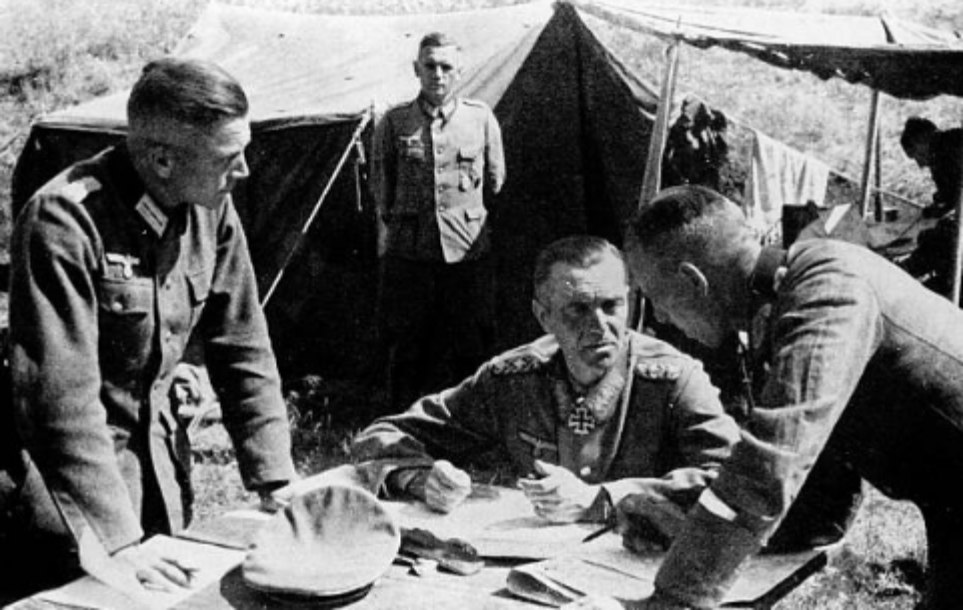
German commanding officer paulus.At the beginning of the stalingrad campaign Germans were in the belief that the they will win the battle easily.
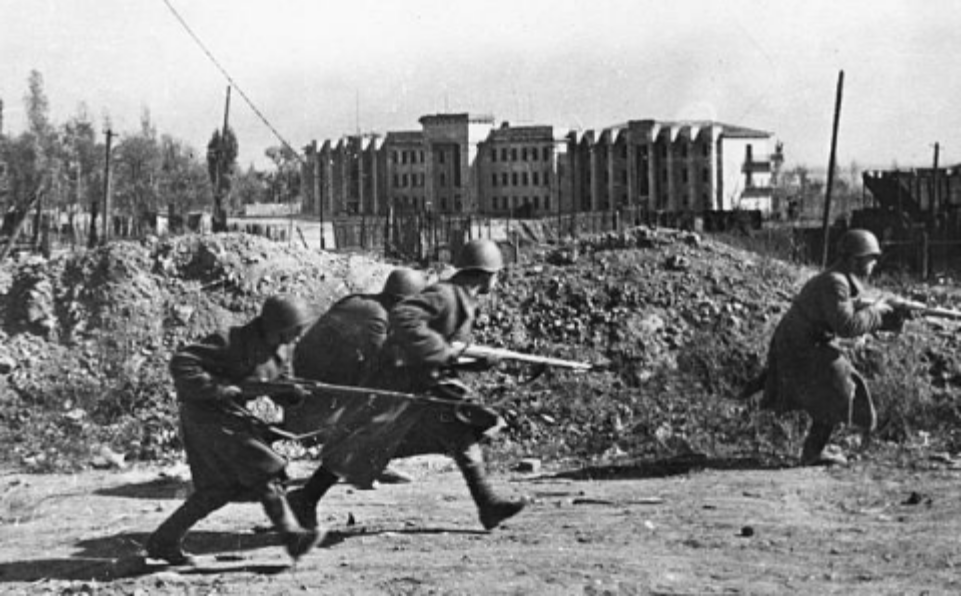
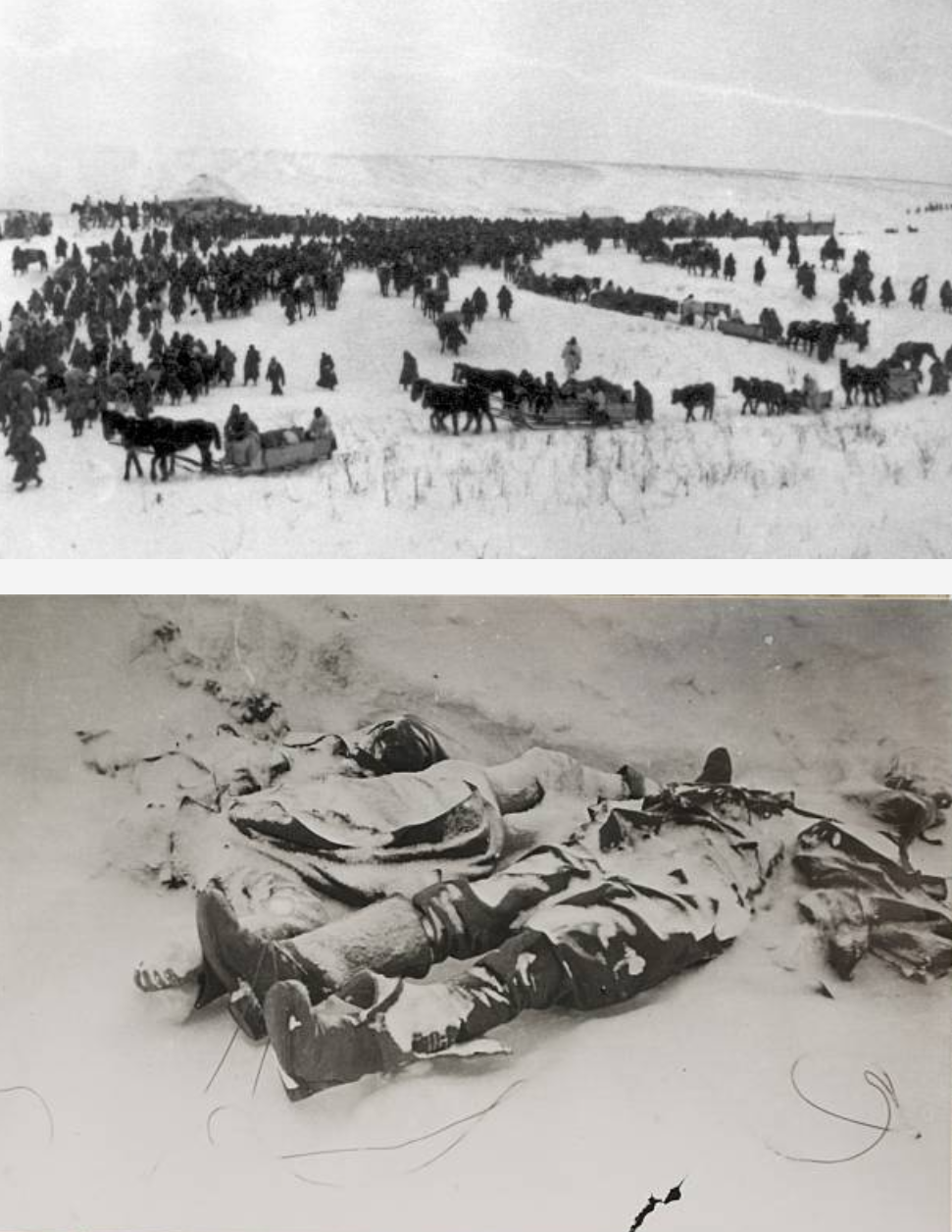
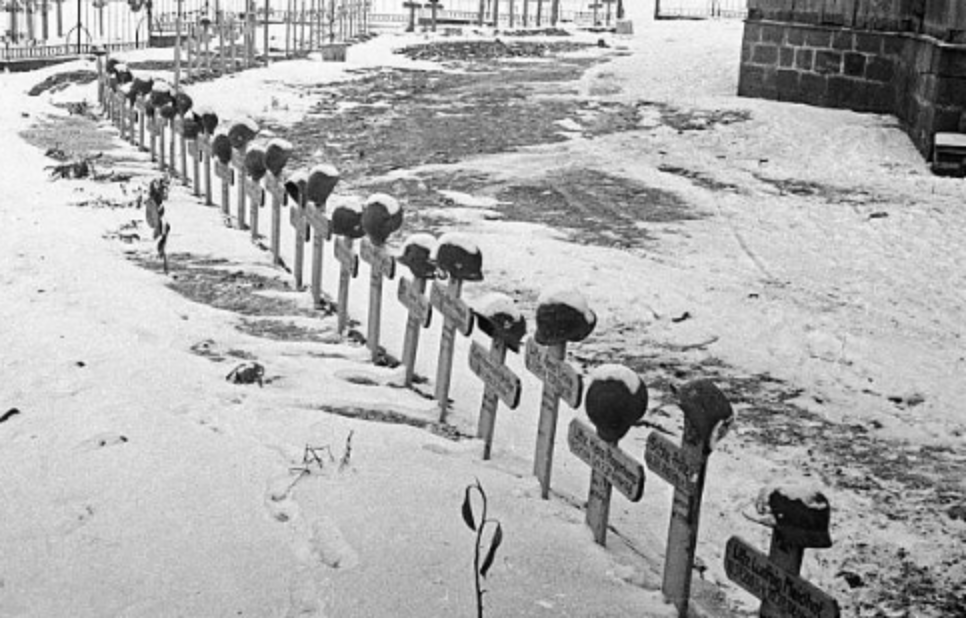
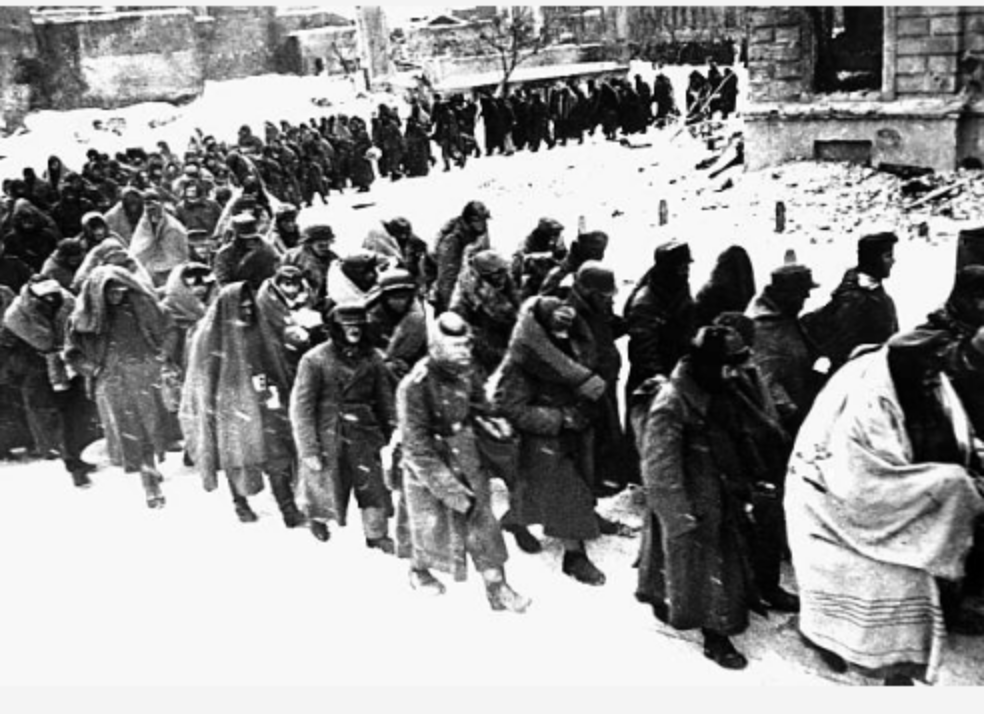
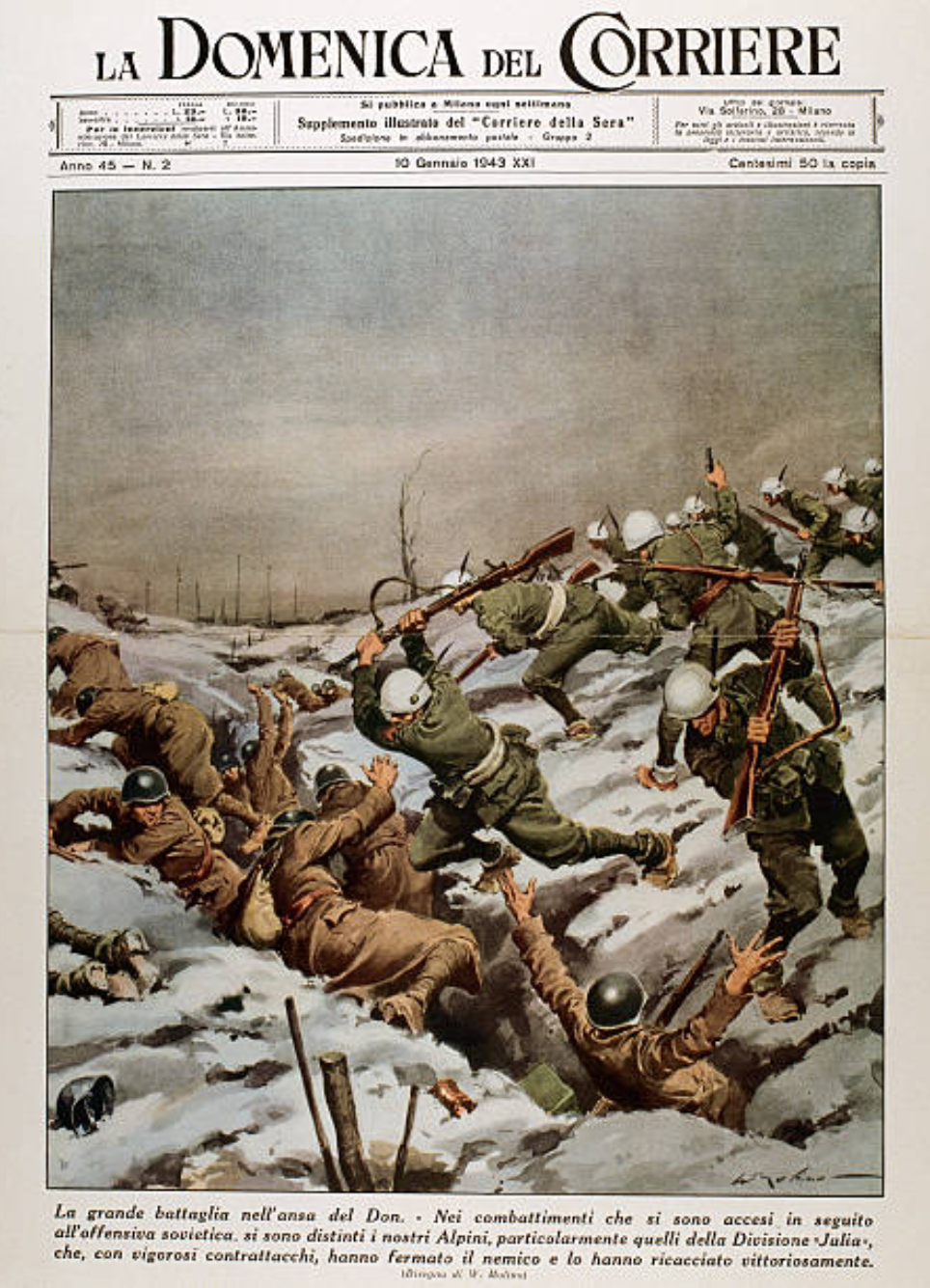
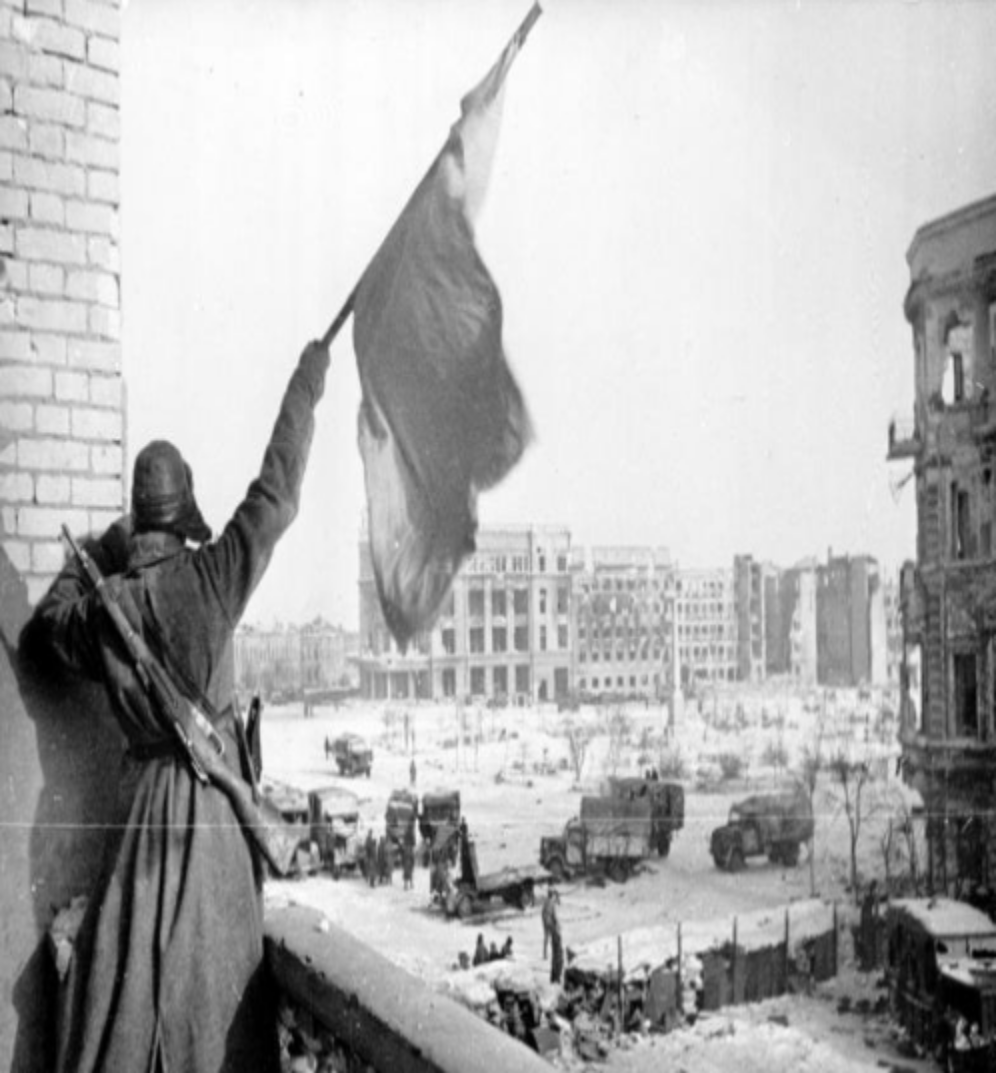
German commanding officer paulus.At the beginning of the stalingrad campaign Germans were in the belief that the they will win the battle easily.
click here to read previous part

click here to read previous part
How the Konark temple got Destroyed and Ruined
While Odisha was being rules by the Marathas during 18th century a man discovered the temple but it was abandoned and badly covered in overgrowth. Then last mention of prosperous Konark temple dates back to 16th century. The Akbar Era text Ain-i-Akbari by Abul Fazal mentions Konark temple and described it as a prosperous site that made visitors “astonished at its sight”. It mentioned the temple in its full glorious form with no mention of ruins. There are a few theories associated with its damage.
The Natural Damage Theory
It is believed that due to the use of poor quality Khandolite eventually led to the temple’s decay. It is mentioned in the NCERT books that the Shikhar of the temple was very high as it reached 70 metres proved too heavy for the structure and it ultimately fell down. This theory seems doubtful due to the presence of other grand temples nearby. Texts from 17th century mentions about the decay and repair being done at the temple which suggests that the decay started somewhere between late 16th century and 17th century.
The Islamic Invasion theory
If we look back at the Islamic texts they mention that the temple was attacked sevaral times by Muslim armies between 15th century and 17th century. They also mention Kalapahad attempted to destroy the temple in 1565 but it inflicted only minor damage and all he could get was the copper kalasa. The hindu text Madala Panji and local stories state that Kalapahad attacked again in 1568 and damaged the temple.
Later on a great amount of damage was done the same way as with other monuments of India. On small scale local people used to take away stones and other things with them. The Raja of Khurda in 19th century removed some stones and sculptures from the temple to use them in the temple he was building in Puri. The Aruna Stambh was relocated to Jagannath temple Puri and placed at its Singhadwara (Lion’s gate). Finally in 1984 the temple was granted World Heritage Site status by UNESCO.
click here to read previous part
No worship in the grand ancient temple
One of the greatest mystery that also seems to be the most shocking fact about the Konark temple of Odisha is that whether Sun God was worshipped there or not. It is shocking to know but many people believe that the Sun God was never ever worshipped in ancient temple. Why worship was not done in this grand temple is related to the legend of Dharm pada, the 12 year boy who installed the lodestone.
But later on it was reveled that it is just myth and there were ancient texts available that described worship being done in the temple. The Kenduli Copper Plate inscription of 1384 CE also clearly indicates that the temple was an active site of worship. There are records from 17th century as well that states that worship was being done in the temple.
click here to read previous part
The mystery of disappearance of River Chandrabhaga
If you go through the ancient texts, manuscripts, preserved palm-leaf drawing and sketches including …… They all indicate the presence of Chandrabhaga river. The story of Dharm pada also mentions that the Sun temple is made beside the Chandrabhaga river but currently no river or even traces of river are found in the proximity of the temple. How the Chandrabhaga river disappeared and did it ever exist remains a mystery.
Although majority of the temple has been in ruins but on seeing whatever is left one can easily feel the grandness and wonderful engineering of ancient India.
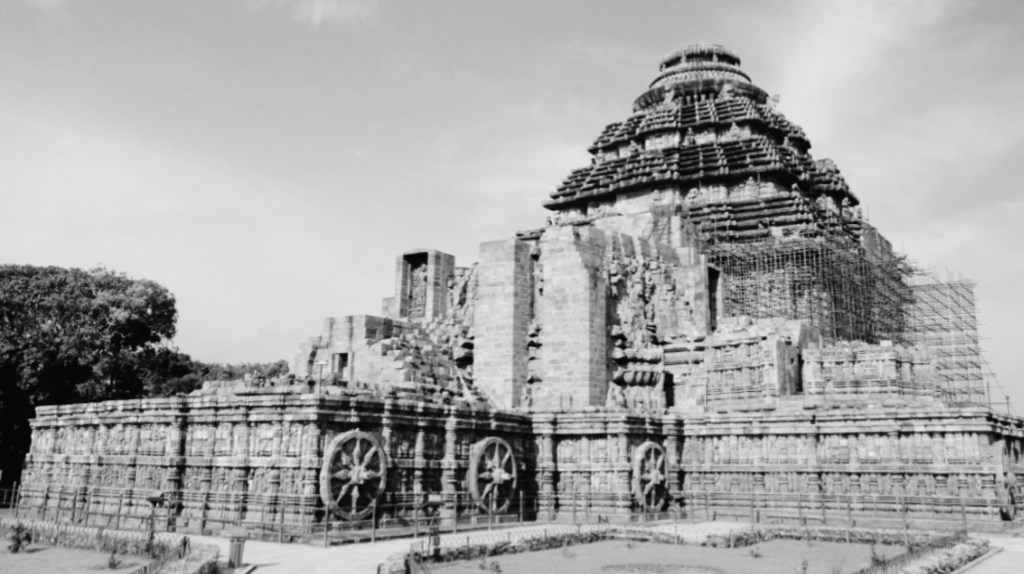
The great masterpiece of engineering, Sun temple of Konark, was built by King Narsimhadeva-I in in 13th century CE(year 1250). It is said that the temple took 12 long years for its completion and around 1200 workers worked day and night staying away from their families to complete it.
Amongst all the mysteries associated with the Sun temple of Konark (click here to read detail the mystery of konark temple part1, the mystery of konark temple contd.. part2) King Narsimhadeva I had given a deadline for its completion to its Chief Architect Bishu Maharana. Everything was completed in time except for the crown stone Dadhinauti. The crown stone was an around 52 ton weighing lodestone. Every time they tried to place it it used to fall down. The King had given warning to him that if the temple would not be completed withing the stipulated time all the 1200 workers will be beheaded.
Deeply disturbed Bishu Maharana was thinking how to complete this task just a day before the deadline is going to end when he saw a boy coming to him. The name of that 12 year old boy was Dharmpada. The boy told him that he was his son whom he did not knew because of staying away from his family for construction of the grand temple. He told Dharmapada about his problem.
When everyone woke up in the morning they saw that the crown stone had been installed by Dharmpada. Everyone was happy but suddenly they all got worried how the King would react when he gets to know that a 12 year old boy did what 1200 experienced workers were unable to do. They were terrified of king Narsimhadeva ‘s anger and thought he will kill all the workers.
Look at the worries of the workers Dharmapada jumped in the Chandrabhaga river from the top of the temple and died. It is believed that Dharmpada was an avtar of Surya dev (Sun God) who came to break the ego of king Narsimhadeva.
Earlier it was believed that the suicide of Dharmpada made this temple unholy and Sun God was never worshipped here but it was later it was found that the temple was an active place of worship.
Even after knowing the legend of Dharmpada it is still unknown how the 52 ton weighing lodestone was placed on the crown of this ancient temple.
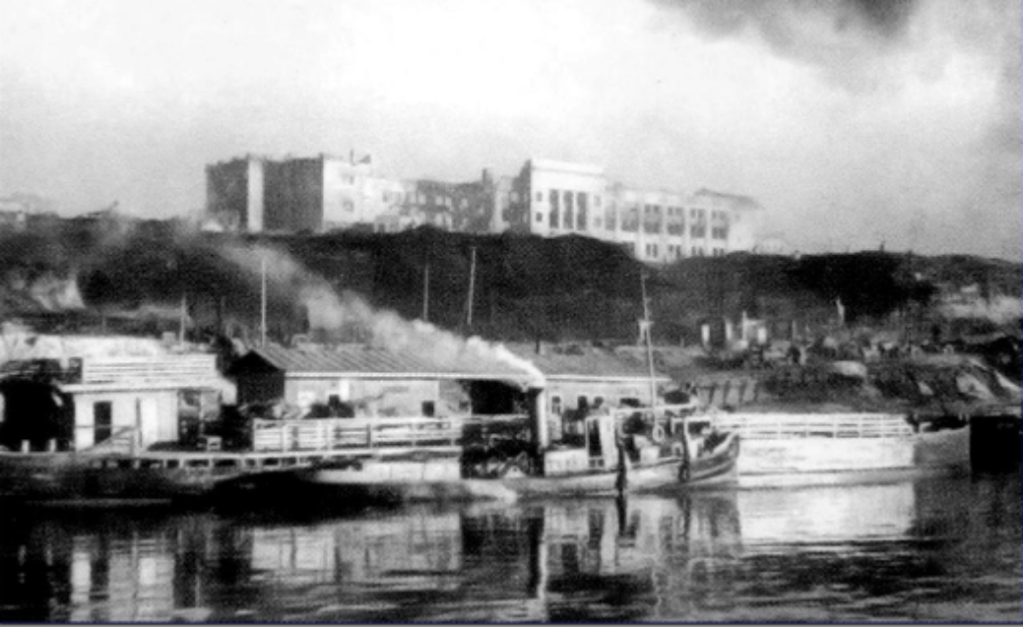
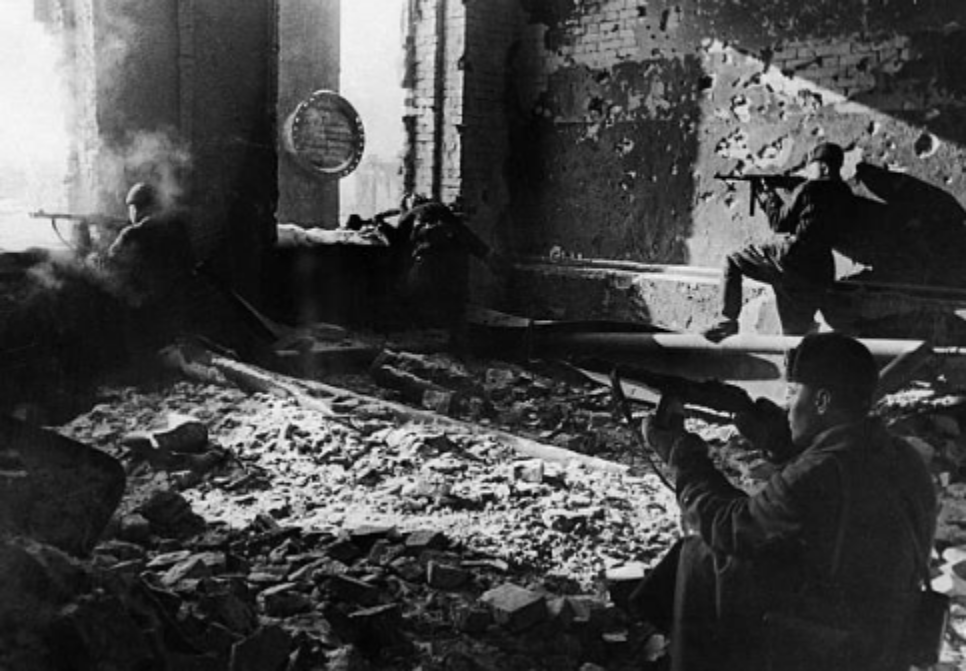
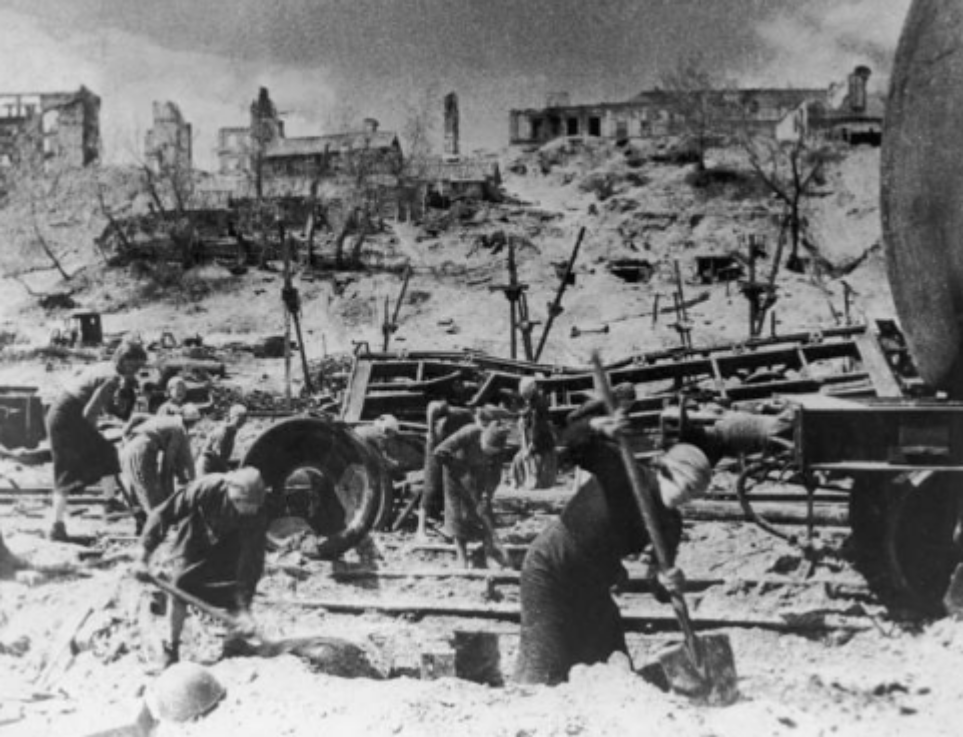
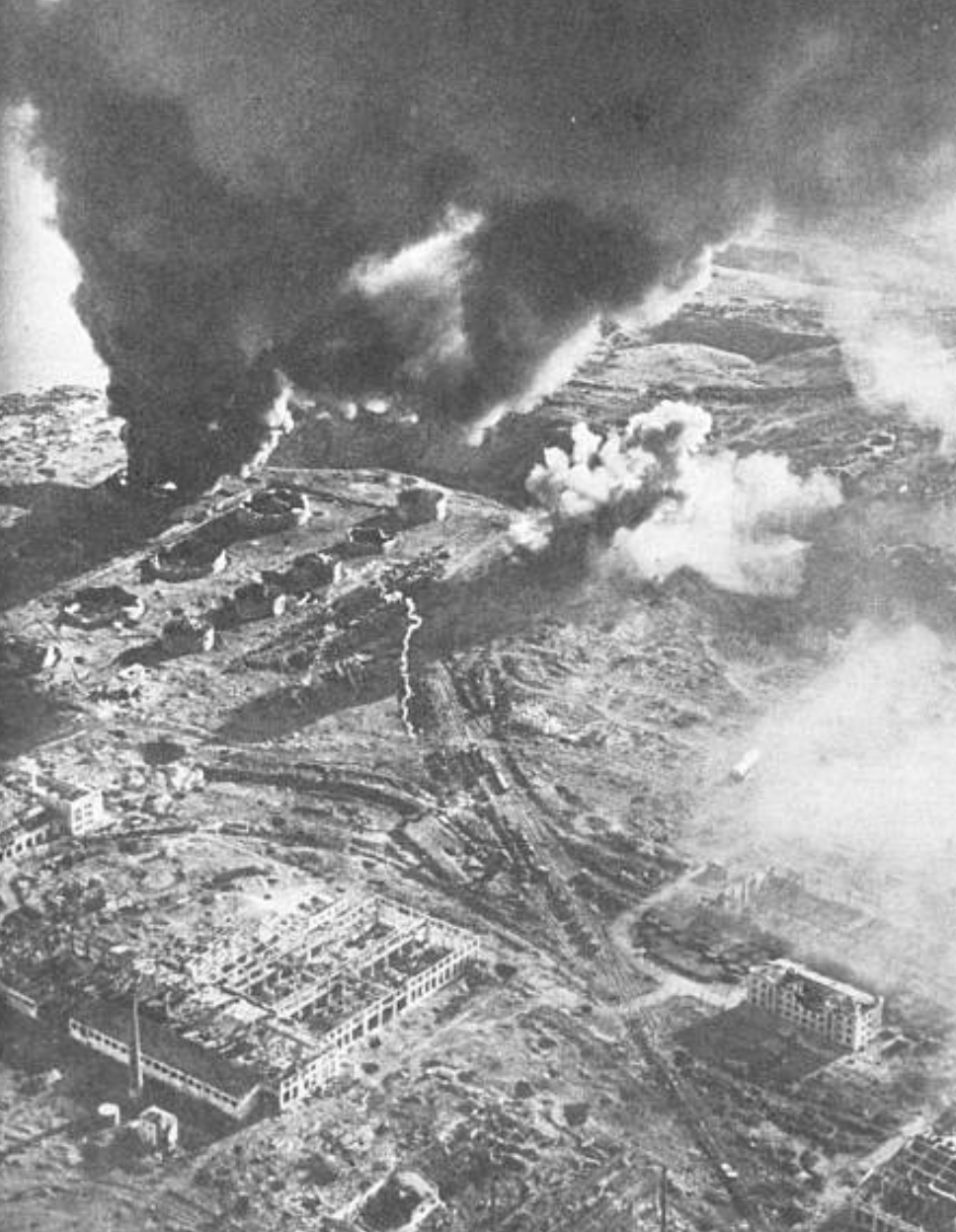
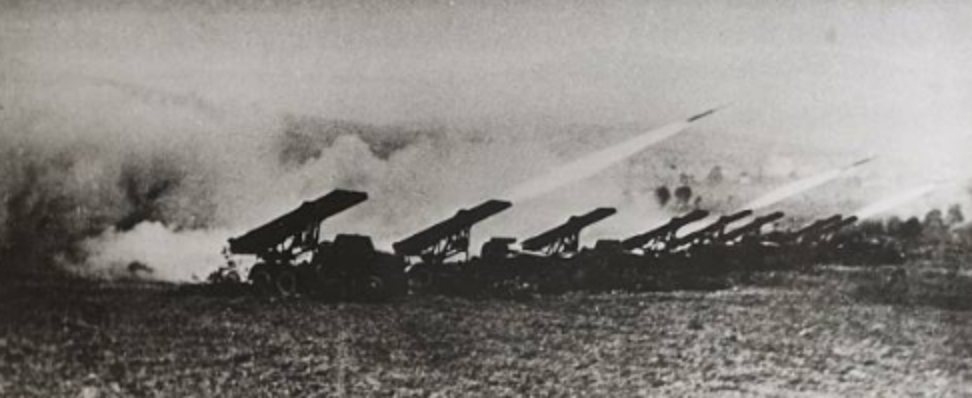
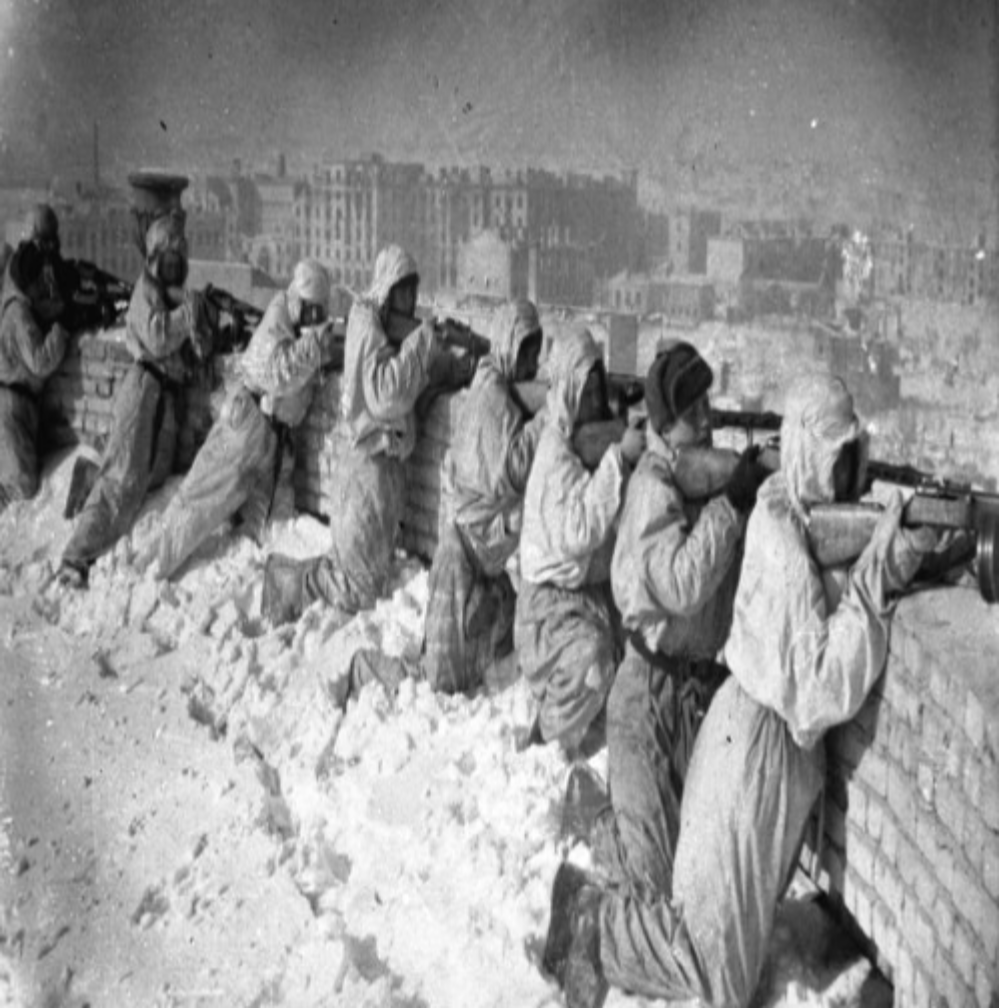
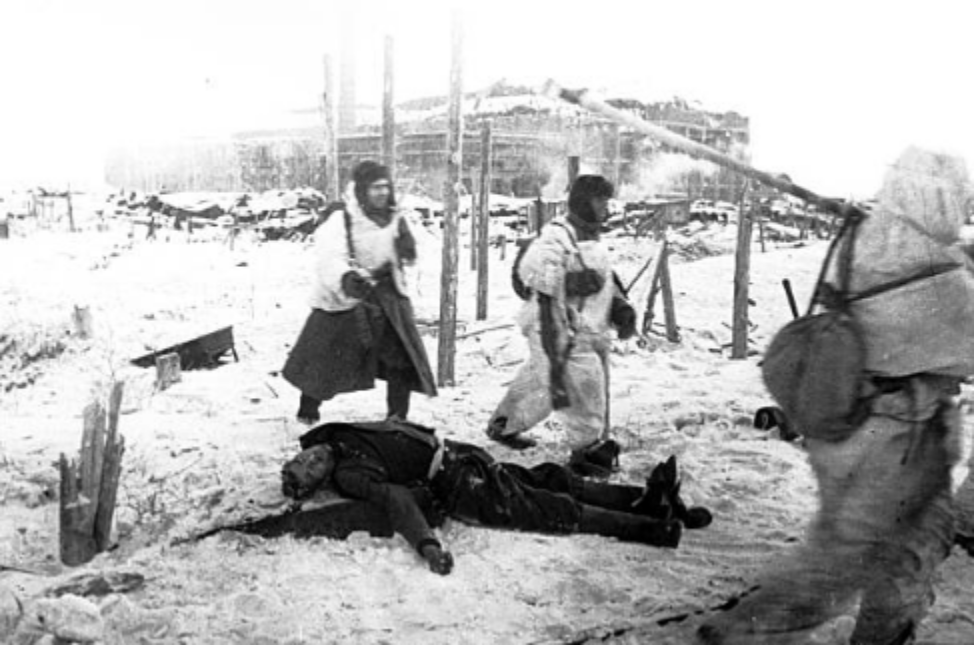
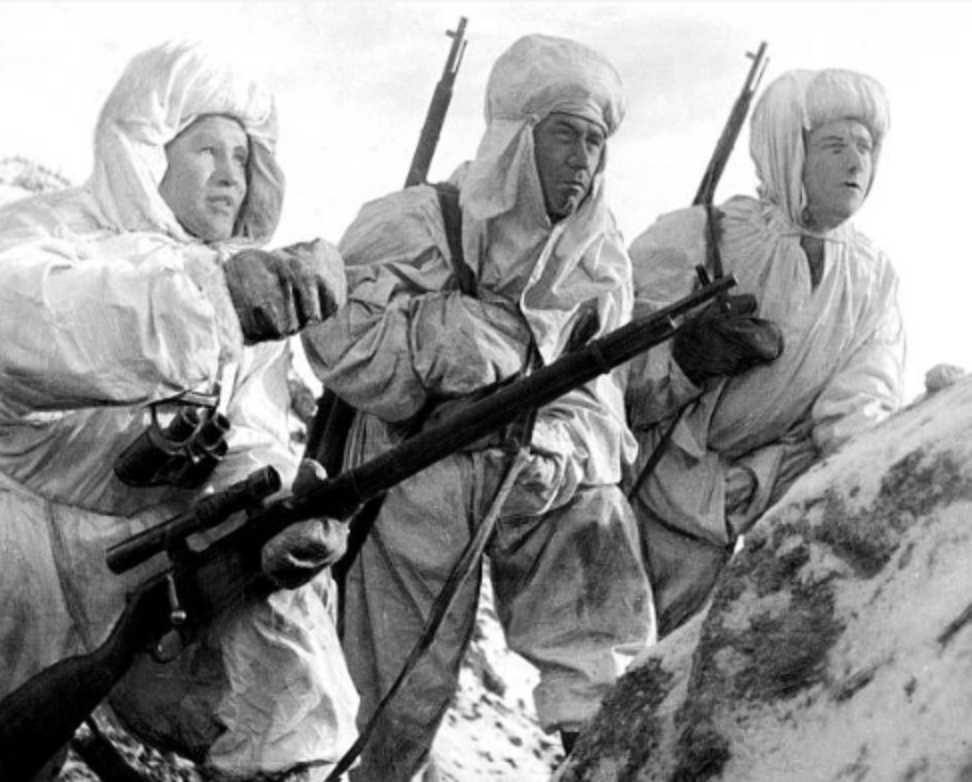
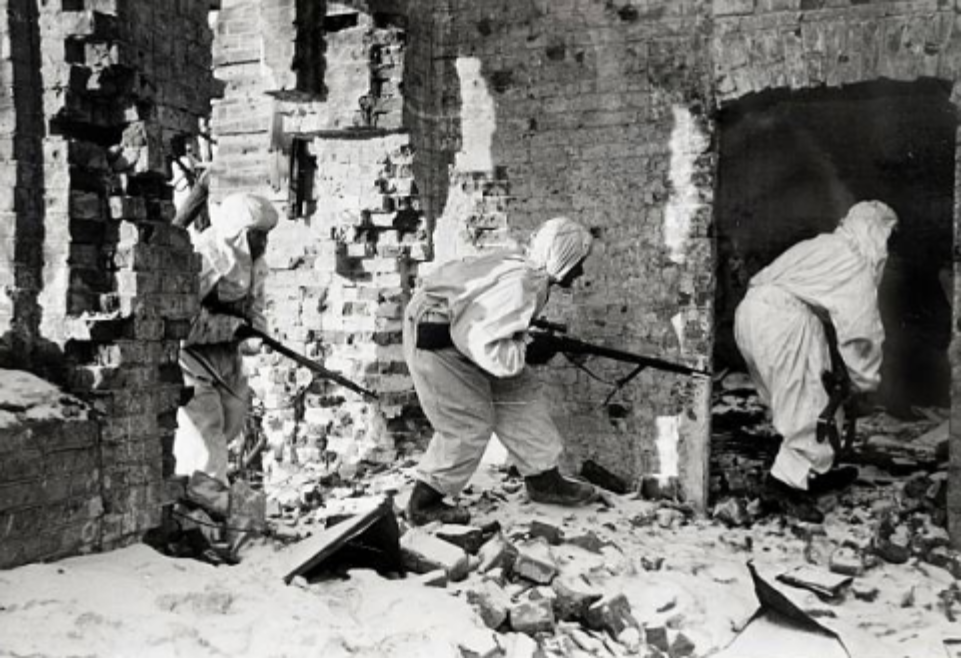
By September 1942 Germans had reached Stalingrad and had started assault in the inner part of the city and by 13th they were about to capture vital banks of Volga,the banks that were very essential for the Soviets to maintain there resistance as these banks was used for supply line upon realising the seriousness of the situation and to secure the banks that were used to maintain supply.Commander of the 62nd army chuikov understood this very well.
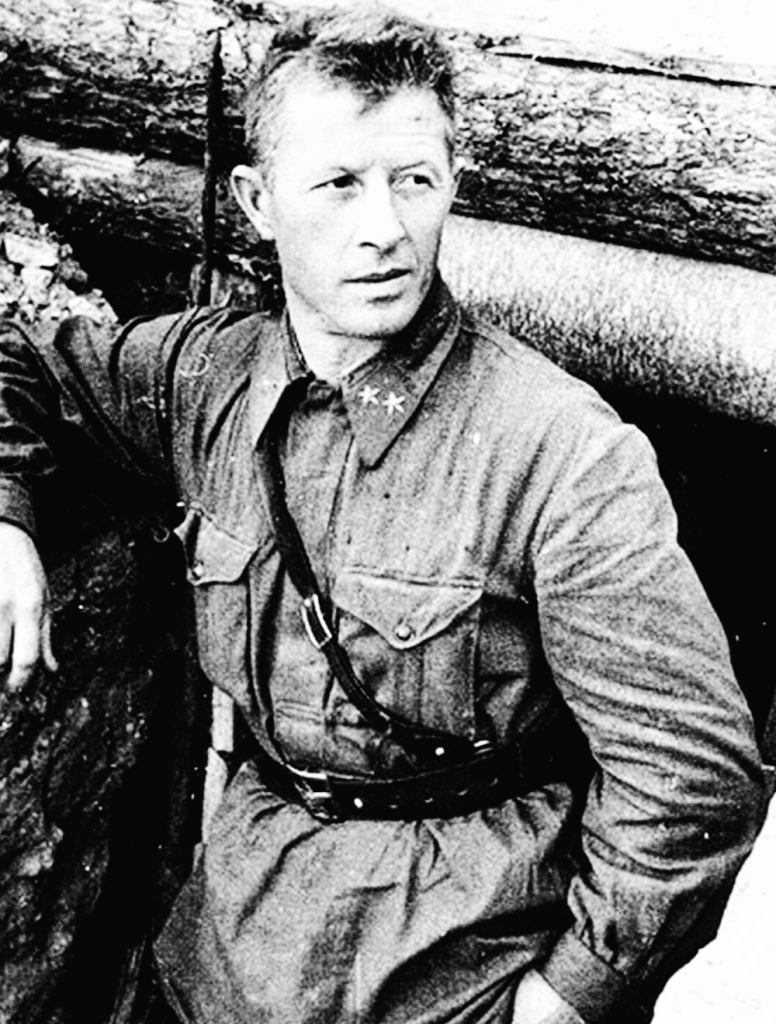
So,chuikov called in Aleksandr Rodimtsev of 13th guard rifle division and asked him to cross Volga to reinforce the Soviet resistance and to halt the German progress and it was to be done in daylight. Crossing Volga at that period of war was considered dengerous even at night hours & in day hours it was suicidal.
Out of every 100 Soviet troops that tried to cross Volga only 10 reached the opposite bank. German aircrafts unleased a hailstorm upon crossing army with aircraft mounted machine guns and aireal bombardment.
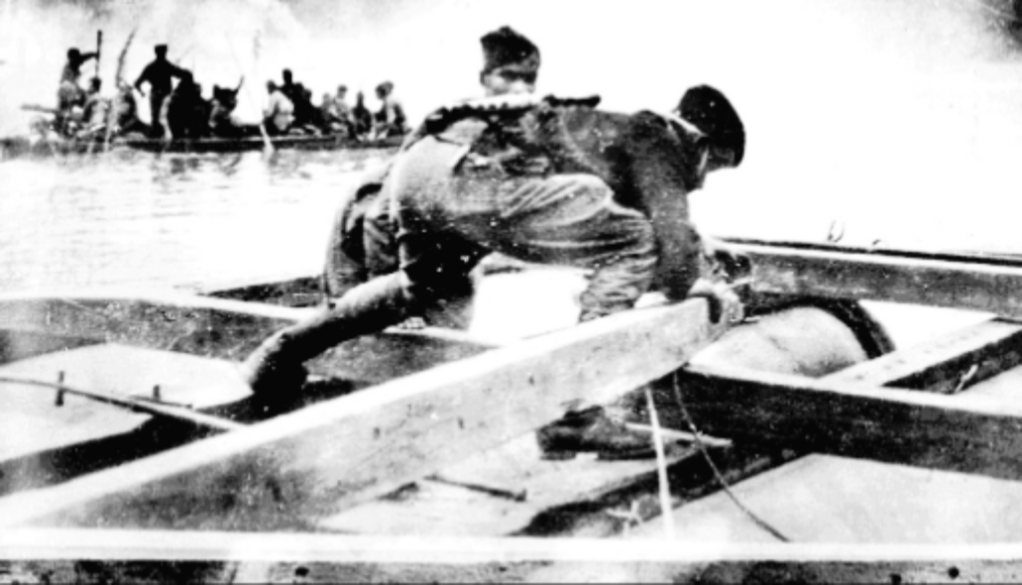
Still the Soviets were determined and transported thousands of men across volgawith innumerable casualties and by evening banks were secured by the soviets.
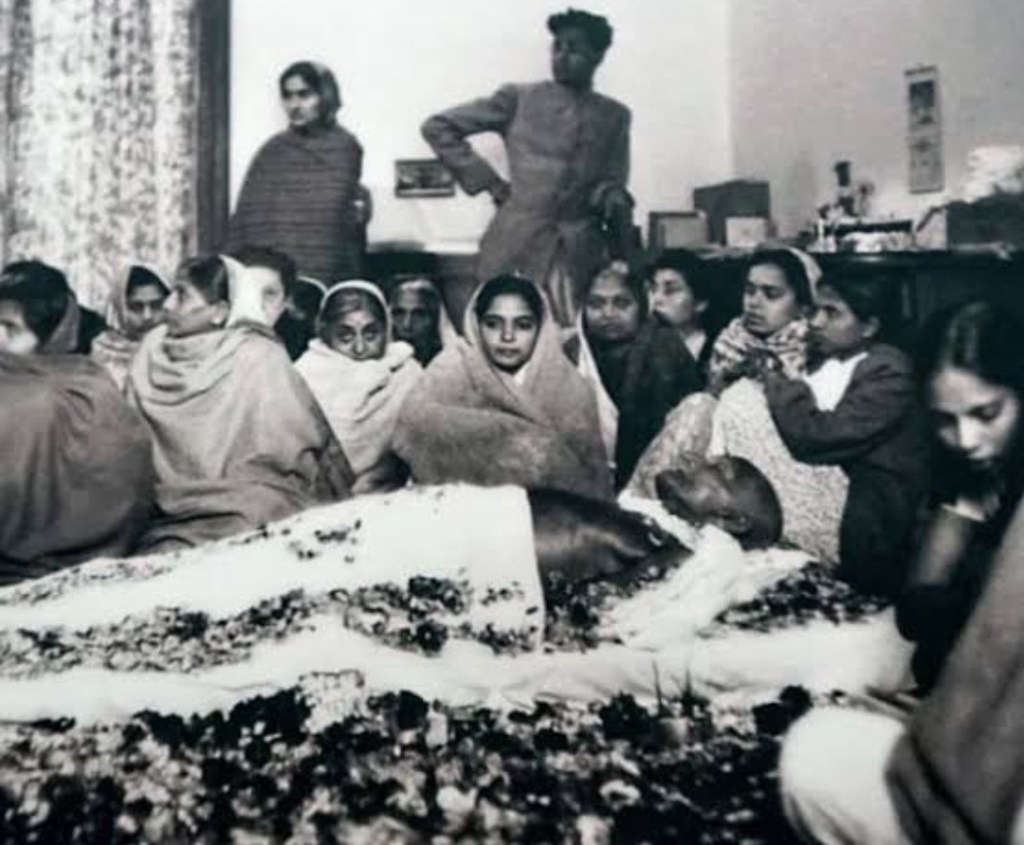
On 30 January 1948 at 5:17 pm in the evening the world seemed to stop for many Indians when a man named Nathu Ram Godse killed our Father of the Nation Mohan Das Karam Chand Gandhi popularly known as Mahatma Gandhi. Every person present at the Birla House, New Delhi was heartbroken when a man in his late 30s killed an elderly man nearly 80 years old, despite their nationalities.
Was Mahatma Gandhi aware of his assassination plan
Hours before his assassination a few incidents make everyone think that if Mahatma Gandhi was aware of his assassination plans. More than aware it seemed as if he was more than ready to accept it.
Mahatma Gandhi was extremely disturbed few days before his death due to the violence happening in India and Pakistan. Though in his late 70s the energetic man who never looked tired started to look tired and disappointed. He who never missed even a trivial part of his routine forgot his exercise a day before his death.
He was unwell and was prescribed penicillin. When her grand niece Manu Gandhi gave him his medicines he refused and said “If I were to die of disease or even a pimple, you must shout to the world from house-tops that I was a false mahatma. Then my soul, wherever it might be, will rest in peace. People might well swear at you for my sake; yet, if I died of illness, you should declare me a false or hypocritical mahatma. And if an explosion took place, as it did last week, or somebody shot at me and I received his bullet on my bare chest, without a sigh and with Rama’s name on my lips, only then you should say that I was a true mahatma. This will benefit the Indian people.”
10 days before his death a bomb was hurled at his prayer meeting. When Delhi Police tried to give him security he refused. Even after sevaral persuasions he did not take any security.
Just before the prayer meeting on 30 January 1948, two leaders from Kathiawar – Rasikbhai Parikh and Dhebarbhai had arrived to meet Mahatma Gandhi while he was in the meeting with Sardar Patel. When Manu Gandhi told Mahatma Gandhi about the visit of Kathiawar leaders he said “Tell them that, if I remain alive, they can talk to me after the prayer on my walk.”
These incidents and these words of Mahatma Gandhi somehow do not feel normal and make us think whether he knew that he will be killed. More than just knowing did he want to be killed. It felt like may be he was of the opinion that the violence that disturbed him badly would stop with his death.
At 5:17 pm on 30 January 1948 Nathuram Godse guided by fanatic passion and radicalization pumped 3 bullets in him. There have been various attempts to justify the actions of Nathuram Godse. But the fact remains the same that a middle aged man killed an unarmed old man because he was having a different political opinion and this can never be justified. If such an incident where a person takes law in his hands leading to cold blooded murder because of difference of opinion is being justified than the problem lies with the society. There is some reason that the one who killed is called ‘The first terrorist of free India” and the one who got killed is called “Father of the Nation” and his death was mourned not only by India but the whole world.
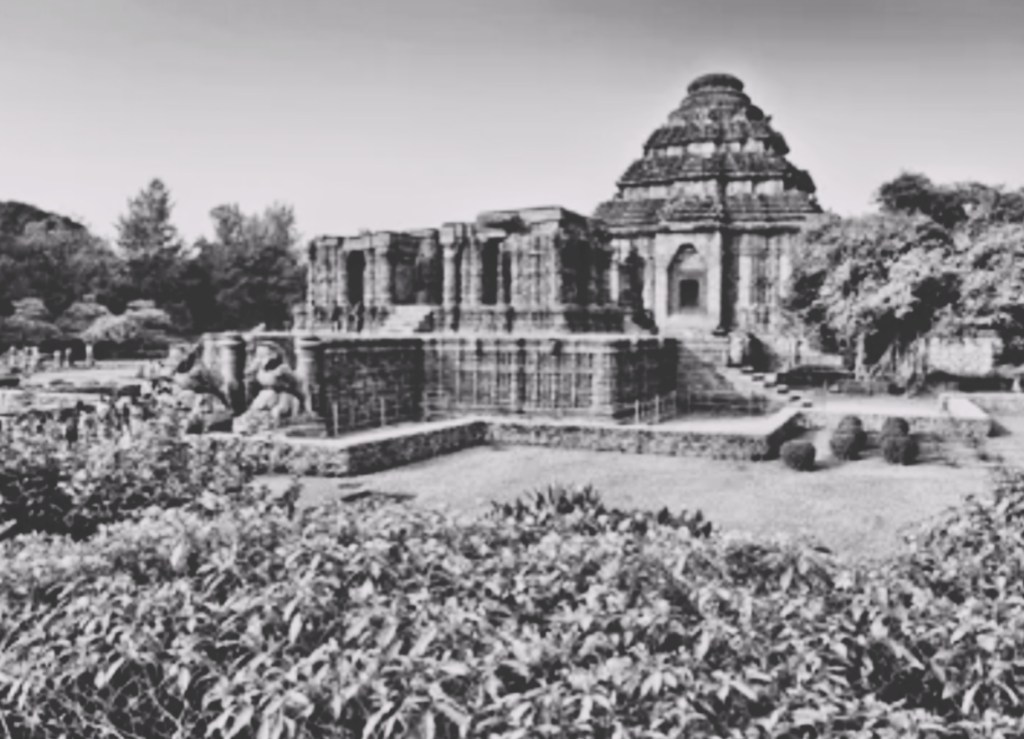
Sun temple of Konark, situated in the Konark town under Puri district of Odisha, is one of the greatest architectural works of India which intrigues not only Indian but also people from all over the world. The architectural grandeur that today stands about 100 foot (30 meter) high was believed to be over 200 foot (61 meter) once. Built in 13th century CE (year 1250) it is situated 35 kilometres (22 miles) northeast from Puri on the coastline of Odisha.
Who made Konark Sun Temple and Why
Konark Sun temple was made by King Narasimhadev I of the Eastern Ganga Dynasty. The exact reason for why King Narasimhadeva built this temple is unknown but may historians believe that it might be to commemorate his conquest over Islamic invasion or gratitude for wish fulfillment. It could have been made simple to show his devotion to Surya Dev (Sun God). Homage to all sects of Hinduism can be seen in this temple. While the lower side is carved with sculptures of various dieties, people doing daily chorus, animals some of these being quite strange, and erotic sculptures from Kamasutra the upper level has larger and more significant images. Sculpture pertaining to Shaktism, Vaishavism and Sahivism can be seen at the higher side including Goddess Durga as Mahishasur Mardini killing the shape shifting buffalo, Lord Vishnu in his Jagannatha form and Lord Shiva in his Shivling form (though it is largely damaged).
Click here to read how the temple got destroyed and other mysteries..
Why the Sun temple made at Konark
According to Hindu mythology Surya dev (Sun God) is believed to be born in Kalinga, that is, present day Odisha. The work Konark is derived from Sanskrit word ‘Kona’ (kon) meaning corner or angle and ark meaning Surya dev (Sun God). People generally think why it is referred to as a Kona or angle the reason for this being Konark temple being a part of the Holy triangle of Kalinga. The holy triangle of Kalinga comprise of Lord Jagannath Temple of Puri, Lingraj temple of Bhubaneshwar and Sun temple of Konark, thus explaing the meaning of Kona that is angle of this triangle.
The mystery of the Sun temple of Konark
This ancient temple of India which is famous worldwide have a few mysteries associated with it as well.
The intricate architecture & How the heavy crown stone was placed ?
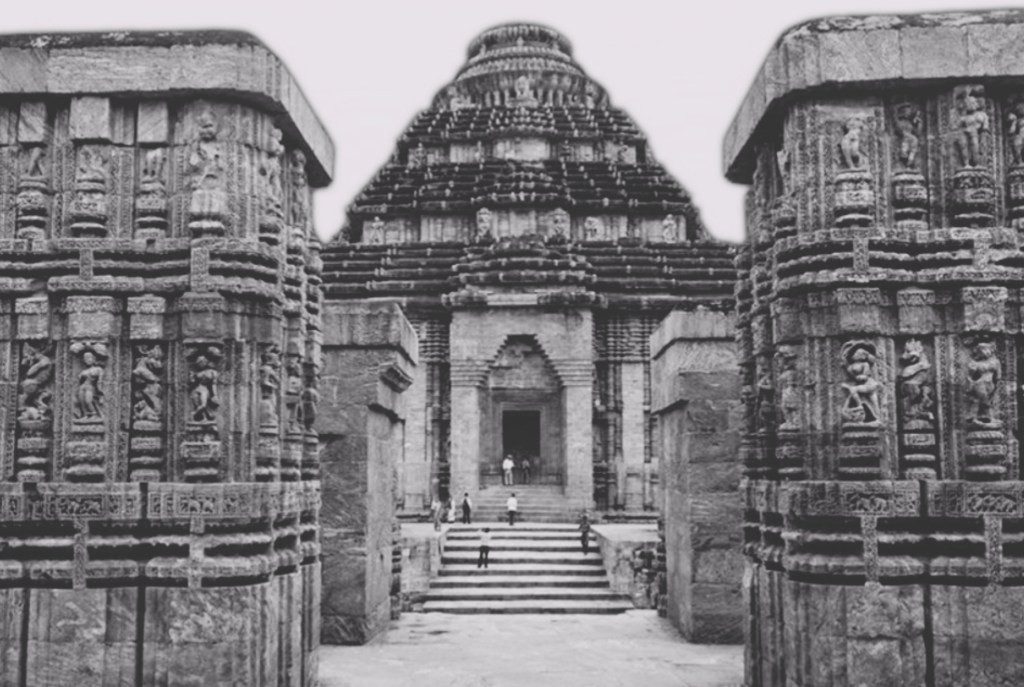
Konark sun temple originally was made in the form of a huge chariot beautifully ornamented with 24 elaborately carved wheels which are nearly 12 feet (3.7 meter) pulled by a set of seven horses. When viewed from inland it presented a beautiful view of the chariot shaped temple appearing to be emerging from the depths of blue sea carrying the Sun during the sunrise.
This UNESCO world Heritage site that is located around 67 kilometres from the capital of Odisha, Bhubaneshwar is made up of stones interlocked by metals and the entire metal skeleton was believed to be held together by a huge magnet weighing more than 5 tons. The fitting and finishing is so smooth that even now the joints are barely visible. For the construction of this grand piece of architecture three kind of stones were used namely, Chlorite, Laterite and Khondalite, none of which is available in its vicinity. How these huge stones were brought here still remains a mystery. Many people believe that the stones were brought from the hills of Kadamgiri and Udaigiri which are more than 100 kilometres from there may be using rivers and water channels or lever and pulleys but the exact method is yet unknown.
The planning and construction records of the temple have been preserved in the form of palm leaf manuscripts which makes this temple on of the very few such temples. These manuscripts are written in Sanskrit in Odia script. The crown stone known as Dadhi nauti was a lodestone weighing nearly 52 tons. Even after repeated efforts the 1200 workers were unable to place it. Every time they try to install it it will fall down. The legend of dharmpada says that it was installed by a 12 year old boy but how he installed it is still a mystery.
Click here to read how the temple got destroyed and other mysteries..
Where is the idol of the temple ?
It is said that the idol of Sun God that was placed in the temple made of Ashtdhatu (alloy of 8 metals) and lodestone and metals were so used in the construction of the temple that the idol used to float in the air without touching the ground. But we have only heard about this idol. There is no account of anyone seeing it. Not even any image of the deity or surya Dev (Sun God) has ever been found so what was its shape and size is not known and remains a mystery till today.
Where are the idol and the lodestone still remains mystery. It is often said that the Portuguese or the British removed the lodestone as the strong magnet used to create disturbance in the navigation of their ships but removing or demolishing such a huge lodestone without leave a trace seems quite difficult. However how the idol and lodestone were removed and by whom and if the floating idol was a reality or not still remains mystery.
Click here to read how the temple got destroyed and other mysteries..
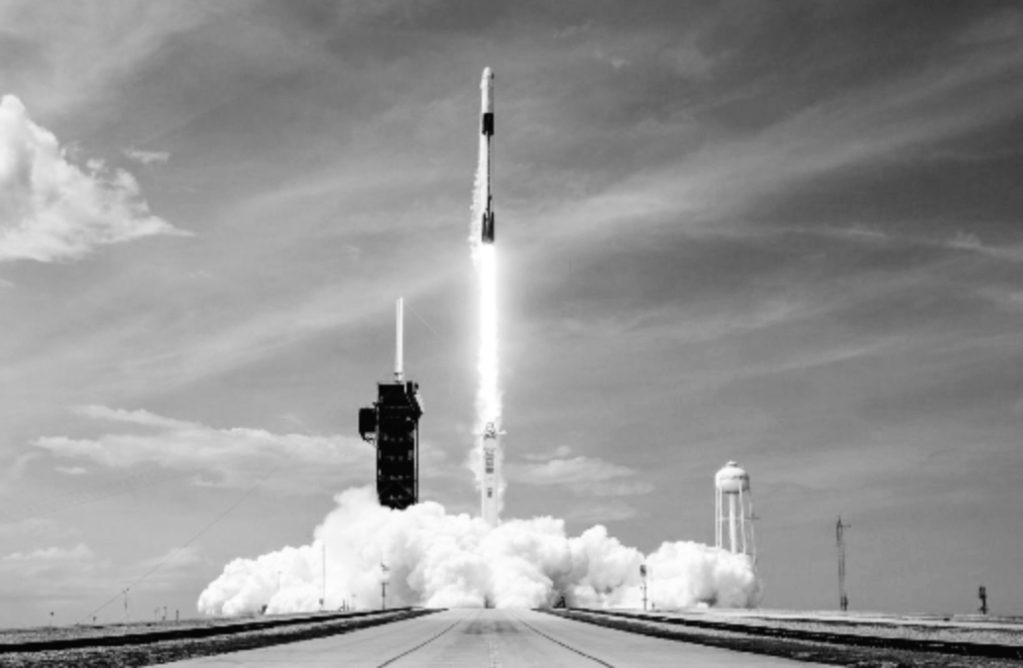
In February 2017 India created a world record when ISRO(Indian Space Research Organization) launched 107 satellites into space in a single launch.
This record had been shattered by Elon Musk‘s SpaceX as it had launched 143 satellites in a single launch using a falcon9 rocket.
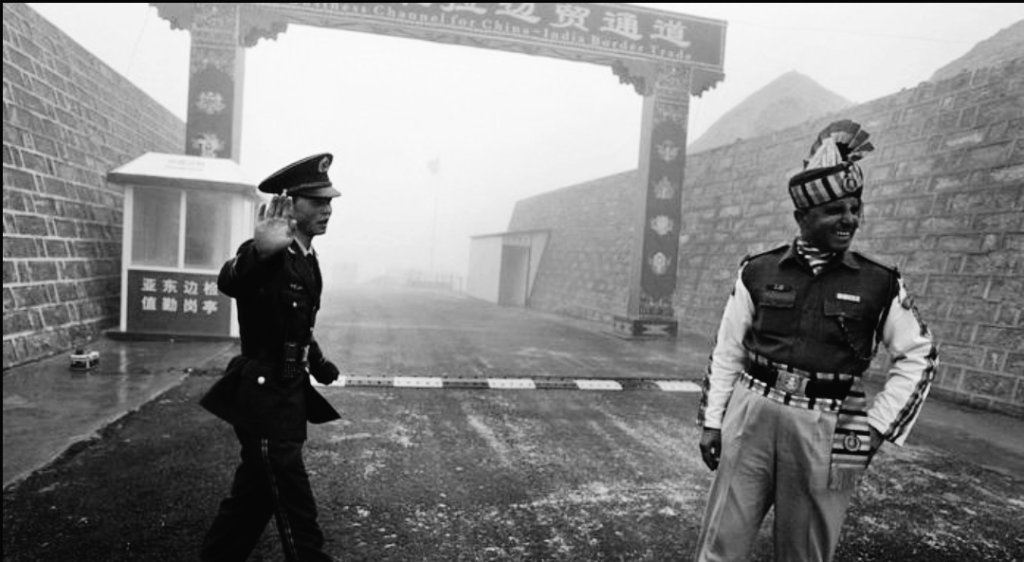
Indian and Chinese army clashed again in an attempted border intrusion from the Chinese side at NAKU LA SIKKIM. As per sources around 20 Chinese army personal were severly wounded during the clash on 20th Jan 2021.
Since 2017 Indo Chinese border has become an hot spot for small clashes and never ending standoffs.In 2017 doklam standoff happened which was resolved and the the ongoing ladakh stand off in which Chinese have clearly violated international borders and had entered Indian territory but after strong opposition and minor clash Chinese were forced to sit on table and discuss. Yesterday on 24th Jan India china held ninth round of military talk to ease tension in ladakh.
But it is observed that china is not learning and is continuously violating india’s territorial intigrity.

An Andhara ASHA worker vijaylaxmi age 44 died yesterday.She had received the first dose of covid vaccine on 19th Jan and had reported severe headache on 22nd.
She was first admitted to an private hospital in guntur from there she was referred to GGH Guntur where her condition worsened and she died yesterday.As per doctors expected cause of death is brain stroke but is it due to vaccine or not can be said after postmortem.
As per her family she was completely healthy before vaccination and didn’t had any health issue till the day of vaccination. Further authorities had still not made clear which covid 19 vaccine she was administered.
According to the Health ministry, over 1,110 cases of adverse effect after vaccination (AEFI) have been reported till now. As of Sunday, 15,82,201 people have been vaccinated across the country.